



Basement waterproofing in Cambridge
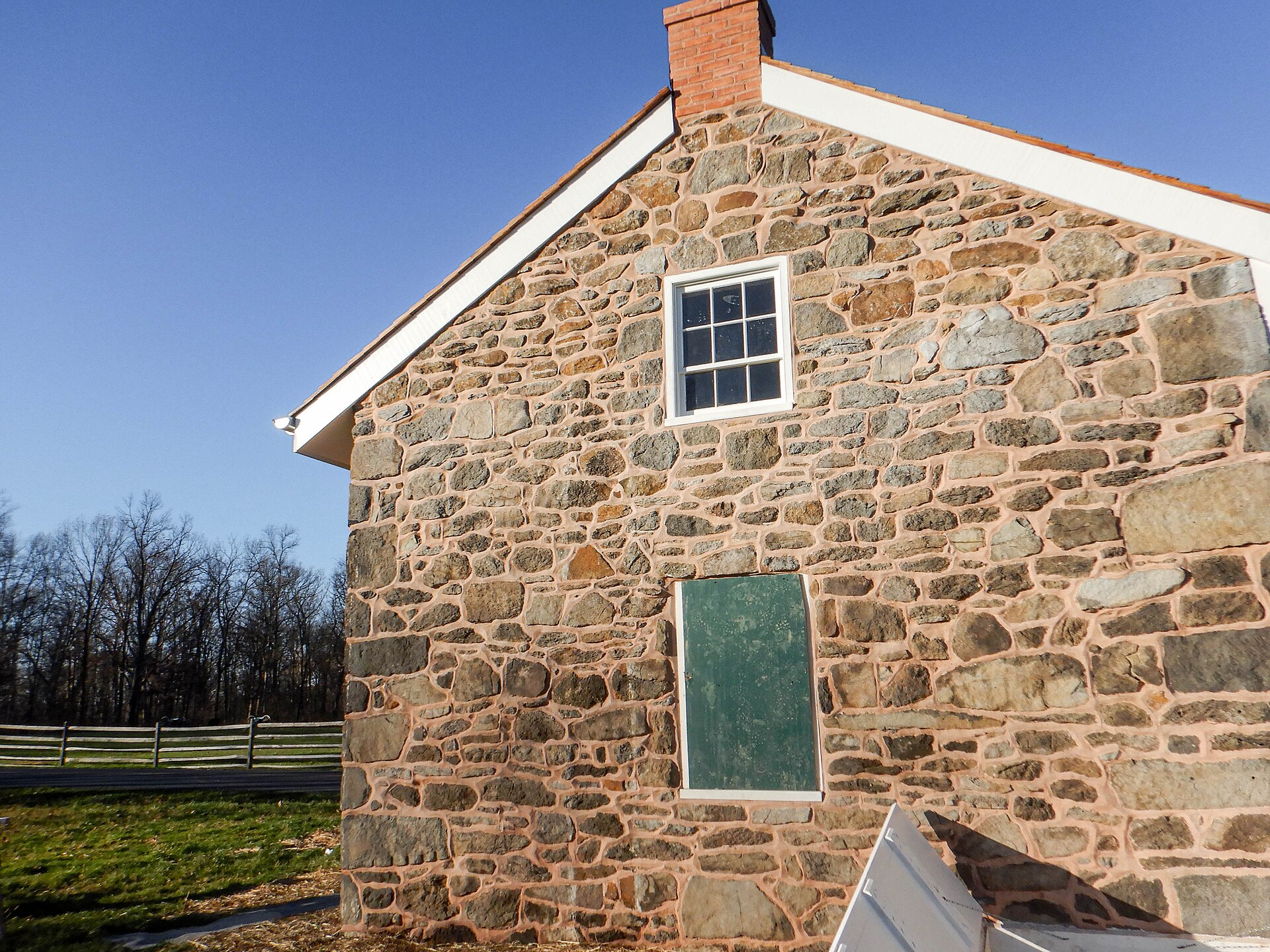
Cambridge, population about 138,479, is a city in the Region of Waterloo that came together in 1973 from three towns — Galt on the Grand River, Preston and Hespeler on the Speed River — plus the village of Blair. Each core keeps its own character: Galt's downtown drops into the Grand's ravine in stone churches, mills and Victorian commercial blocks; Preston and Hespeler carry smaller-scaled historic cores ringed by postwar bungalows; and the in-between and outer bands — Southwood, Champlain, Silverheights, Deer Ridge, Country Club and the Forbes and Southfield areas of Hespeler — are 1970s-through-2000s subdivisions. That mix is the short version of who calls a waterproofing contractor: 1800s stone and rubble foundations on the flat riverside land below Galt's bluffs, block and lightly reinforced poured walls from the postwar decades, and finished basements everywhere the rivers hold sway.
The land shapes the work. The Grand runs through Galt in a rock-walled valley with floodplain flats beside it, and the Speed drains Hespeler and Preston into it; both keep a seasonally high water table on the low streets. The city sits on dolostone bedrock under sandy outwash, gravel terraces and till, so some trenches find rock while riverside trenches find water. The [Grand River Conservation Authority](https://www.grandriver.ca/) regulates the valley and floodplain lands along both rivers, with dams and flood forecasting upstream on the Grand — a legacy of the river's flood record — and excavation in those areas can need its sign-off on top of any City permit.
Permits and bylaw rules
Building permits run through the City's [building permits page](https://www.cambridge.ca/business-building-development/building-planning/building-permits/), which lists installation or repair of storm, sanitary and water services, plumbing or drains, and interior structural alterations among the projects that require one; the page also tells homeowners the permit must be approved before work begins and that confirming it is in place is the owner's responsibility, even when the contractor applies. Have the contractor settle that with Cambridge building staff before anyone digs. Excavation has one more local gate: the same page requires a [private tree removal permit](https://www.cambridge.ca/business-building-development/building-planning/building-permits/) for any tree 20 centimetres in diameter or more that the work would injure, with trees labelled on the permit plans. Discharges to the sanitary and storm sewers are governed by the [Region of Waterloo Sewer Use By-law (By-law 21-036)](https://www.regionofwaterloo.ca/programs-and-services/water-and-wastewater/wastewater-and-sewer-systems/sewer-use-by-law); in practice that means sump pumps and new drainage should discharge onto the lawn, well away from the foundation, the sidewalk and neighbouring lots.
Lots, soil and climate
Galt-core lots are narrow and steep in places, so exterior waterproofing below the downtown bluffs often means small machines or hand digging on terraced yards, with rock and groundwater in the trench. Preston and Hespeler postwar streets carry block foundations that crack horizontally under lateral earth pressure, and their side yards are tight enough that access drives the quote. Newer subdivisions give equipment room but add fully finished basements, which pushes repairs toward interior systems. The climate sits inland of the lakeshore: freeze-thaw cycles through late fall and spring, a March-to-April melt off the upper Grand watershed, and heavy summer thunderstorms; frost reaches footing depth and heaves poorly drained clay and silt.
The season
Book exterior waterproofing — excavation, membrane, dimpled drainage board and weeping tile — between May and October, when the ground is thawed, river levels have dropped from the spring freshet, and membranes can cure within their temperature range. Interior perimeter drains, sump pump replacement, backwater valves and crack injection run year-round. Calls peak during the spring melt and after the first big summer downpour finds a weak spot.
What drives the price and what to ask
Quotes in Cambridge move most with exterior-versus-interior scope, trench depth, rock and dewatering on riverside streets, machine access on narrow or terraced lots, block versus poured foundations, and any structural or underpinning work. Ask each basement waterproofing contractor:
- Is the written scope full exterior excavation to the footing with membrane and drainage board, an interior perimeter system, or targeted crack injection — and how does that change if the basement is already finished?
- Does the job cross into permit territory — service repairs, plumbing or drains, structural alterations — and who files with Cambridge building staff and books the inspections?
- Will the excavation come near a tree 20 centimetres or more across, and is the tree permit in the quote?
- If the house sits near the Grand or the Speed, is conservation authority review needed, and is that work in the quote?
- On riverside streets with a high water table, what trench shoring and dewatering keeps the excavation safe — and where does the pumped water go?
- Where does the sump discharge end, so it stays off the sanitary sewer, the sidewalk and the neighbour's lot?
- Is a battery-backup pump included for summer-storm power failures?
- What written warranty covers materials and labour, and does it transfer if you sell the house?