

Basement waterproofing in East Gwillimbury
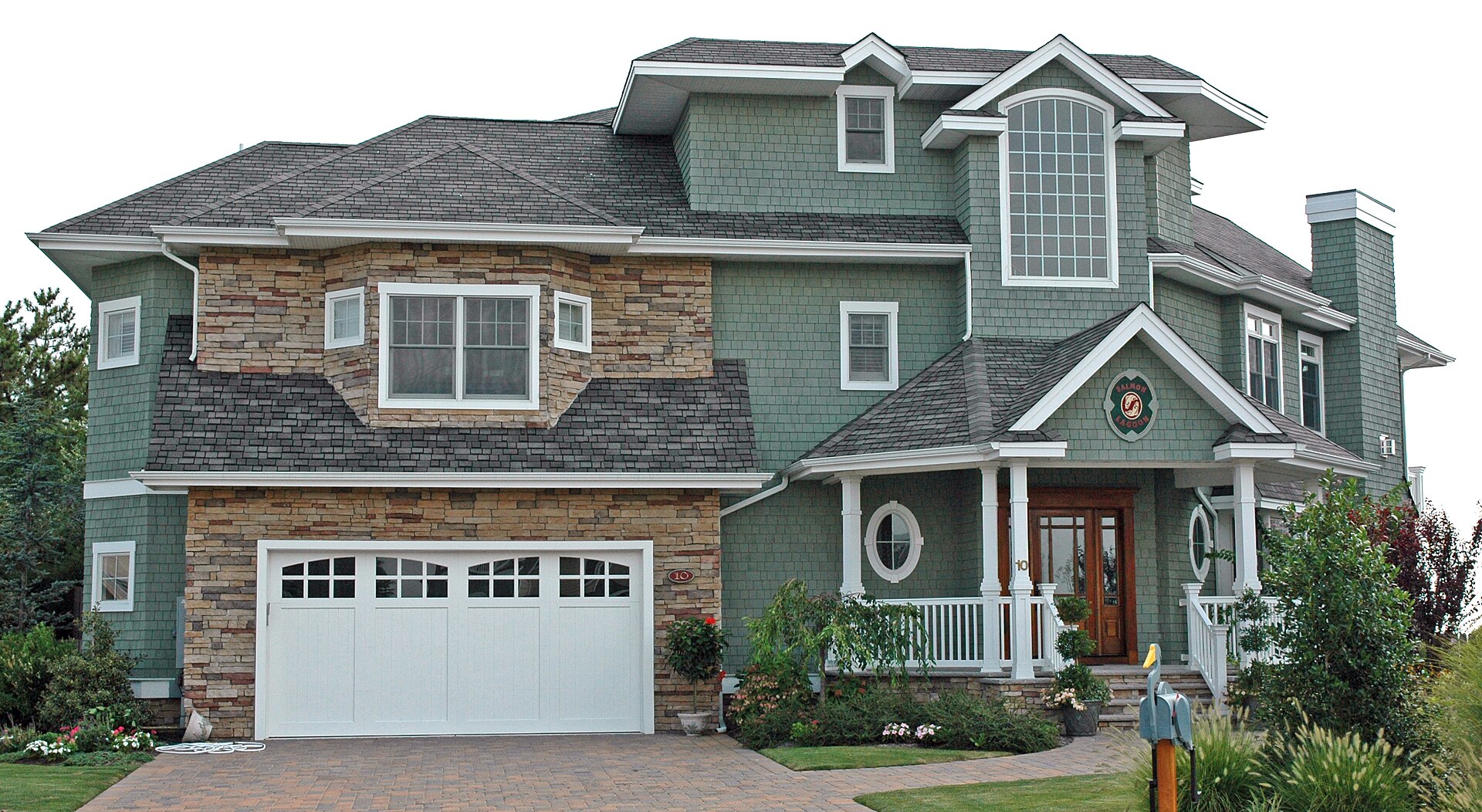
East Gwillimbury, population about 34,637, is one of the fastest-growing towns in Canada, wrapping Sharon, Queensville, Holland Landing, and Mount Albert in southern York Region. The west of town lies on the flat, wet plain of the Holland River — deep soils with a seasonally high water table — while the Oak Ridges Moraine ridges cross the south. Growth defines the housing: thousands of newer subdivision homes on engineered clay plains sit beside century houses in Mount Albert and Sharon. Newer owners face a different first question than most — a leaking basement in a young home is usually a builder warranty matter before it is a contractor matter.
Permits and bylaw rules
The Town defines a building permit as approval to construct, repair, alter, or renovate a building or to install plumbing ([eastgwillimbury.ca building permits](https://www.eastgwillimbury.ca/en/municipal-services/building-permits.aspx)), and its exemption list draws the line plainly for this trade: damp-proofing repairs to foundation walls need no permit only where plumbing, shoring, and underpinning are not required — so once a project touches a sump, perimeter drain plumbing, or the structure under the wall, a permit is required. Work near the East or West Holland River, their tributaries, or wetlands may also need a Lake Simcoe Region Conservation Authority permit under [O. Reg. 41/24](https://www.lsrca.on.ca/permits). Sump discharge placement is worth confirming with Town staff, since new subdivisions carry designed rear-lot drainage that a badly placed outlet can defeat.
Lots, soil and climate
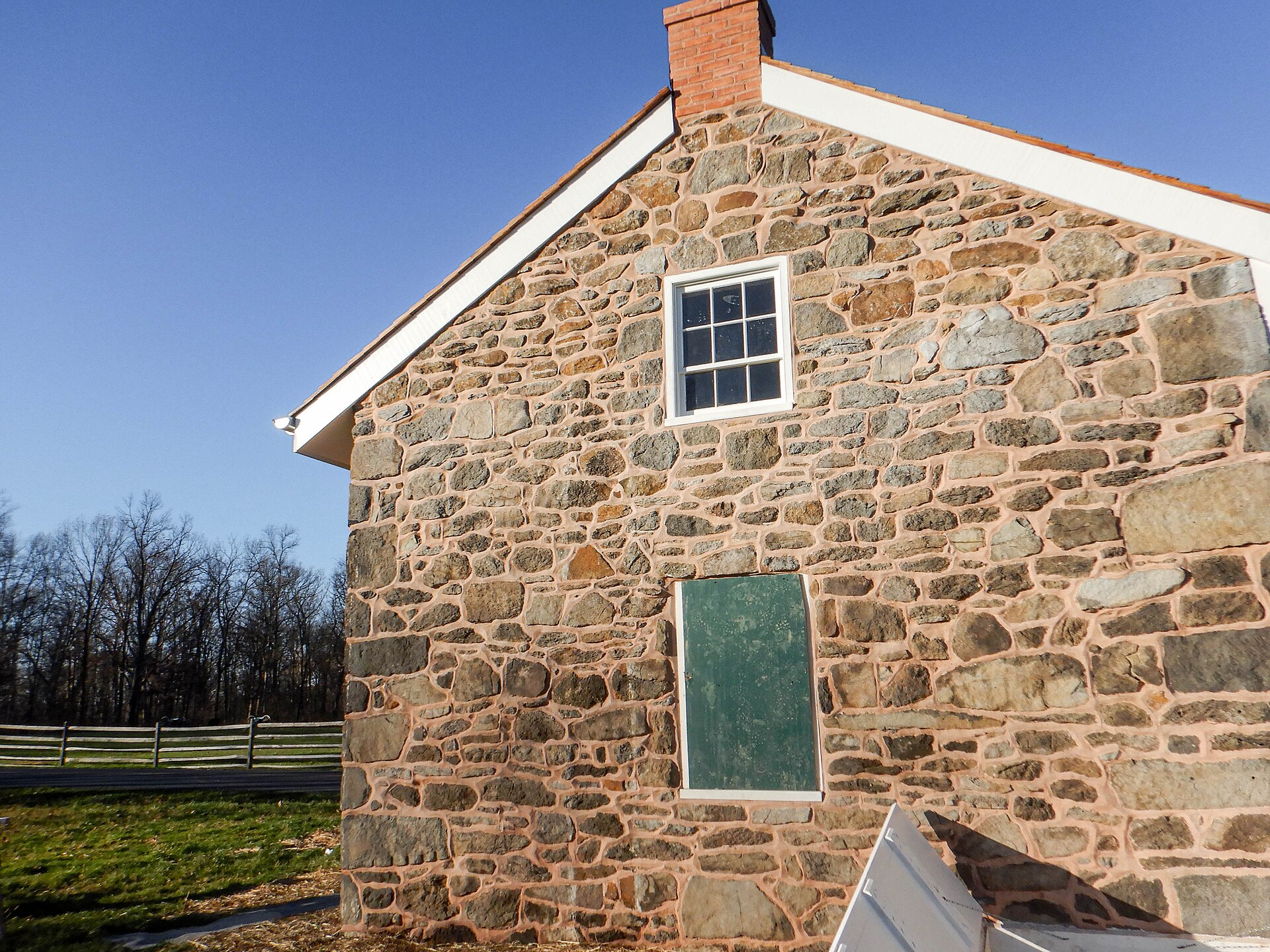
Subdivision lots are compact with tight side yards, rear drainage swales, and restrictive covenants — excavators often work by hand or with mini-machines near fences and air conditioners. Village lots in Mount Albert and Sharon are older, larger, and likelier to hold block or stone foundations. Soils range from silty clay till to organic Holland River deposits that stay saturated in spring. Winters bring steady freeze-thaw and snow; the March–April melt onto partially frozen ground is the annual stress test, and summer thunderstorms the second.
The season
Exterior waterproofing runs May through October; interior perimeter drains, sump pits, and crack injection proceed year-round in heated basements. Demand spikes with the spring melt. In homes still under Tarion new-home warranty, the practical season matters less than the clock: report water entry to the builder and Tarion in writing promptly, since warranty windows close on fixed timelines.
What drives the price and what to ask
Price in East Gwillimbury turns on access (tight new-subdivision lots versus open village yards), utility density — hydro-vac exposure around gas, hydro, and fibre is often mandatory before digging — underpinning or benching for basement lowering, and whether the warranty route replaces paid repair entirely. Ask each basement waterproofing contractor:
- Does the job stay inside the no-permit damp-proofing exemption, or will you pull a Town permit once plumbing, shoring, or underpinning is involved?
- Is my lot near a Holland River tributary or wetland, and who prepares the LSRCA permit if so?
- Will hydro-vac or hand exposure be used around utilities, fences, and the neighbour's lot line, and is that in the price?
- If my home is still under Tarion warranty, do you document the cause in a form I can file with the builder?
- How does the design respect the subdivision's rear-yard swales and sump discharge rules?
- Does the quote include a battery backup pump, and where does the discharge exit in winter?
- For interior systems on a high water table, how do you handle the sump pit's tie to footings and under-slab vapour control?
- What written, transferable warranty covers labour and membrane, and what maintenance keeps it alive?