Basement waterproofing in Gravenhurst
Gravenhurst, known as the Gateway to Muskoka, sits at the [south end of Lake Muskoka, on Muskoka Bay](https://www.gravenhurst.ca/tourism-culture-recreation/arts-culture-and-heritage/history-and-heritage/). Its [town centre lies between Lake Muskoka and Gull Lake](https://www.gravenhurst.ca/tourism-culture-recreation/boating-fishing-and-watersports/), and the Town recorded [13,157 residents in 2021](https://www.gravenhurst.ca/media/1yzjma2v/economic-development-strategic-plan.pdf). This is Canadian Shield country: granite bedrock sits at or just below the surface, soils are thin, stony glacial till, and the ground drops sharply toward the water on many streets and cottage roads. The housing stock splits three ways — older cottages on the lakes with stone or block foundations and crawlspaces that were never meant to be finished, mid-century frame houses in town, and newer builds on rock. Each has a different waterproofing problem: crawlspaces that take lake splash and snowmelt, finished basements cut into till that drains slowly, and new foundations sitting in pockets of broken rock that collect water like a cistern.
Permits and bylaw rules
The Town of Gravenhurst takes building permit applications through the Cloudpermit portal, and its building permits page sets out what needs a permit: interior or exterior renovations that touch structural components, work on private sewage systems, and municipal water and sewer connections (`gravenhurst.ca/business-building-development/building-and-planning/building-permits`). Foundation waterproofing that involves excavation to the footing, wall stabilization, underpinning, or a new sump and drain plumbing is structural and plumbing work under the Ontario Building Code, so confirm with the Building Branch before digging; the page also names the Town's [Building By-Law 2023-029](https://www.gravenhurst.ca/business-building-development/building-and-planning/building-permits), which governs how permits and inspections run.
Discharge rules matter on Shield lots, where water that leaves your sump does not travel far before it reaches rock, a neighbour, or the lake. The Town's [property standards by-law](https://media-001-ca.cdn.govstack.com/gravenhurst-005-ca/media/polkfwjv/2025-043-repeals-2004-018-property-standards.pdf) requires storm run-off — which it defines to include roof drainage and sump pump discharge — to be drained across the property in a way that prevents ponding, erosion or water entering a building, and sump discharge lines must be maintained so they do not pond on the Town's road allowance. On waterfront properties, work near the shoreline can also involve approvals beyond the Town: the permit page links shoreline development to provincial ministries and the District of Muskoka, so a contractor who works the lakes regularly should know where those lines sit.
Lots, soil and climate
Town lots slope; waterfront lots slope harder. Excavation in Gravenhurst regularly meets granite — machine-rippable on lucky lots, blasting or hoe-ramming on the rest — and till that is only a few feet deep drains fast but holds water in pockets above the rock. Lake levels run highest in spring after the melt and drop through summer, so a crawlspace that is dry in August can be wet in May. Gravenhurst sits far enough north and east to catch lake-effect snow off Georgian Bay, with a frost season that starts early, a snowpack that lasts into April, and a short, intense repair season between thaw and freeze-up.
The season
Exterior work — trenching, membrane and drainage board, weeping tile, wall stabilization — is realistic from late May through September or early October, once frost is out of the ground and spring lake levels have fallen. Interior perimeter systems, sump replacement and crack injection can be done in any season, and in cottage country the late-fall and winter months are often the easiest time to book crews. Calls spike with the spring melt and after summer downpours; cottage owners who want work done before the May long weekend should be collecting quotes by late winter.
What drives the price and what to ask
Price in Gravenhurst is driven above all by rock: excavation that hits granite means breaking or blasting, and that cost lands in the quote. Add slope and access (a wall between the house and the lake may be reachable only by hand or from a barge path), foundation type (old cottage stone and block, versus poured concrete), distance from the water table and the lake itself, and travel — most crews come from Gravenhurst, Bracebridge, Huntsville or Barrie, and cottage-road time is billable. Ask each basement waterproofing contractor:
- Has the crew hit rock on this street or lake before, and how is granite handled in the quote — hoe-ram, breaking, or blasting — with what unit pricing if more rock appears?
- Does the written quote propose exterior excavation to the footing, an interior perimeter system, or targeted crack injection, and why is that right for a Shield lot that drains through pockets of till over rock?
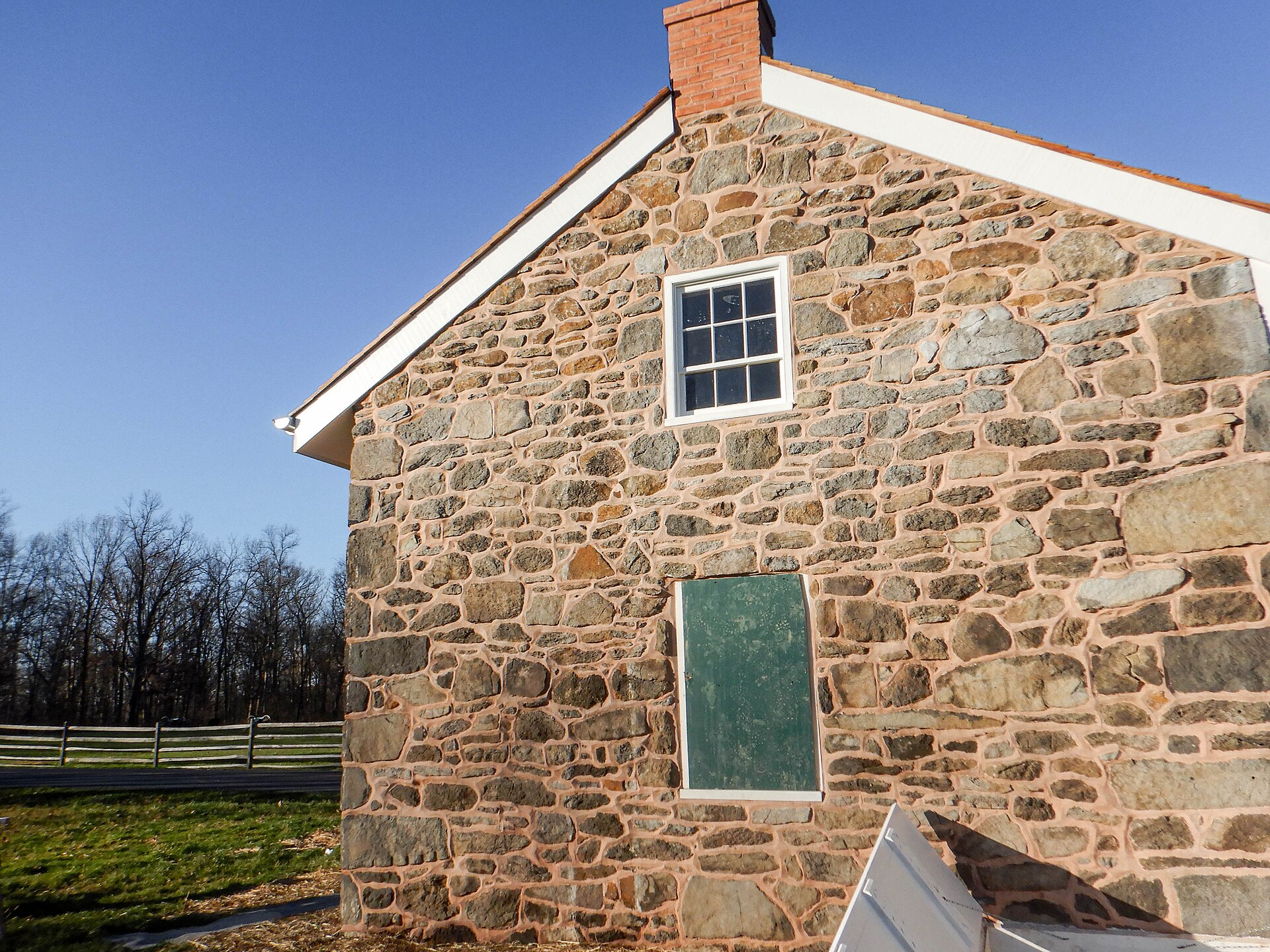
- How will an older cottage stone, block or crawlspace foundation be stabilized and repaired before waterproofing?
- Will the company obtain the Town of Gravenhurst permit through Cloudpermit and book the inspections?
- Where will the sump pump discharge so it neither ponds on the lot, crosses a neighbour's land, nor runs down the Town road allowance — and is the line frost-protected?
- On a waterfront property, does any part of the work sit below the high-water mark or near the shoreline where provincial approvals apply, and who handles that?
- If the house is on a private septic system, will any new interior drain or discharge line interfere with the tile bed or the Town's septic re-inspection program?
- What written warranty covers membrane, labour and drainage, and does it transfer to a new owner?