







Basement waterproofing in Greater Napanee
Greater Napanee, population about 16,900, straddles the Napanee River where it widens toward the Bay of Quinte, halfway between Kingston and Belleville along the Highway 401 corridor. The old town core holds limestone-era stone and brick homes with full basements, surrounded by post-war neighbourhoods and, beyond them, rural roads and villages where houses sit on wells and private septic systems. Waterproofing problems follow that split: river-flat lots take seasonal high water, the clay and till plain holds meltwater against foundations, and rural systems add septic and well constraints that city lots never see.
Permits and bylaw rules
The [Town of Greater Napanee building permits page](https://www.greaternapanee.com/build/building-construction/building-permits) lists what needs a General Building Permit Application — including work on a foundation and drainage system, finishing a basement or converting a room into a bedroom, installing or renovating plumbing, and installing insulation or a vapour barrier. The site plan that accompanies an application must show distances to lot lines, the road, the high water mark, the floodplain including creeks and wetlands, other structures and the septic system if the property is rural. The page also notes that Cataraqui Region Conservation Authority or Quinte Conservation approval may be required and that building inspections need a minimum of 48 hours' notice. You can submit an application by email or deliver it to the Building Department on Advance Avenue by mail or in person.
Where the sump water goes is regulated. Greater Napanee's sewer use [By-law 2012-39](https://media-001-ca.cdn.govstack.com/greaternapanee-003-ca/media/pn0fhsiv/2012-39-sewer-use-by-law.pdf) prohibits discharging storm water, groundwater, potable water or non-contact cooling water to the sanitary sewer except in accordance with a discharge agreement — so a new sump or perimeter drain on a serviced lot must discharge to the surface or the storm side, not into the sanitary lateral.
Lots, soil and climate
Napanee sits on the limestone plain: bedrock sits within reach of an excavator on many lots, with clay and glacial till above it, and river flats along the Napanee that run wet in spring. Clay holds water against walls; shallow rock limits how deep exterior drainage can go and can push a job toward interior systems. The Quinte climate brings a hard spring melt, humid-summer thunderstorms and a frost season that roughly frames May to October for digging. Rural lots add the constraint that discharge water has to go somewhere that is not a tile bed.
The season
Exterior waterproofing — excavation to the footing, membrane, drainage board, weeping tile — is realistic from May through September or early October. Interior perimeter systems, sump replacement and crack injection can be done year-round. Calls spike with the spring melt when the Napanee River and its flats run high, and again after summer storms; late-winter quoting gets crews booked for the first dry stretch.
What drives the price and what to ask
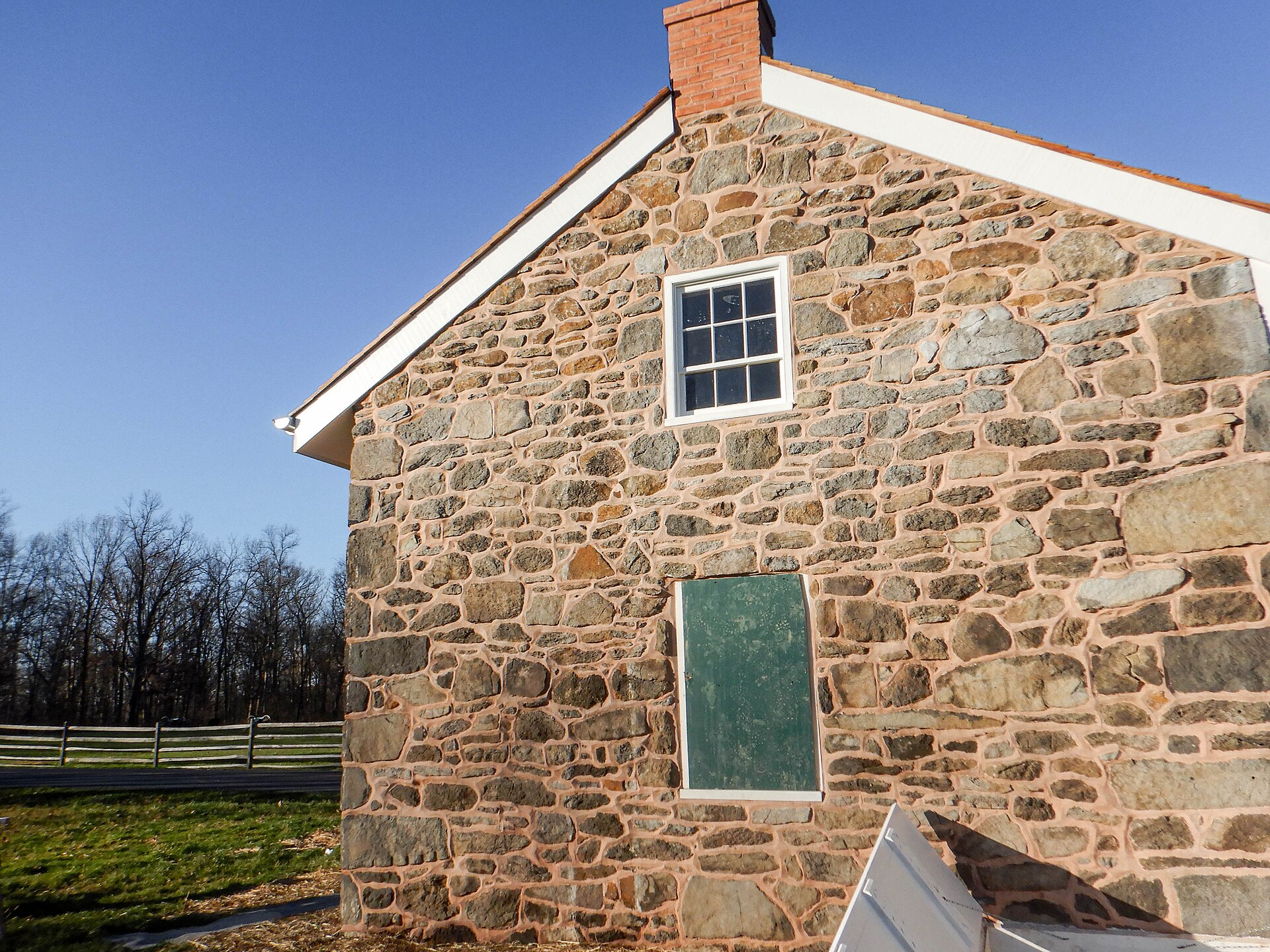
Price in Greater Napanee is driven by what the shovel meets: clay that has to come out and go to disposal, limestone that has to be broken or avoided, and on rural lots, the distance a crew travels from Kingston, Belleville or Napanee itself. Foundation age matters as much as soil — the stone and brick basements in the older core need different treatment than poured-concrete subdivisions. Ask each basement waterproofing contractor:
- Does the written quote propose exterior excavation to the footing, an interior perimeter system, or targeted crack injection, and how does shallow limestone or heavy clay change that recommendation?
- How will an older stone, brick or block foundation be stabilized and repaired before waterproofing?
- Will the company file the General Building Permit Application, book inspections with the required notice, and confirm whether Cataraqui Region Conservation Authority or Quinte Conservation review applies to the lot?
- Where will the sump pump discharge — and will the company confirm in writing that it stays out of the sanitary sewer and clear of the septic tile bed on rural lots?
- If a backwater valve is proposed on the sewer service, who takes out the plumbing-side permit and books the inspection?
- On a lot near the river, creek or wetland, what does the contractor do differently about discharge and grading?
- What allowance covers rock breaking, clay disposal and shoring in a fixed-price quote, and what triggers a change order?
- What written warranty covers membrane, labour and drainage, and does it transfer to a new owner?