


Basement waterproofing in Grimsby
Grimsby, population about 28,883, sits at the Niagara Region's western edge on the Lake Ontario shore, with the Niagara Escarpment — "the mountain", in local speech — cutting the town in two. Below the brow: the clay lake plain, the old fruit orchards, and a strip of lakefront cottages along the shore. Above it: slope terraces, the Forty Mile Creek valley, and newer views. For waterproofing, that split is the whole story. Lakeshore homes fight a shallow water table and lakeplain clay that swells when saturated; escarpment-slope homes fight water arriving sideways — springs and seepage moving over shallow rock toward the plain below.
Permits and bylaw rules
The Town's "Do I need a permit?" page has a Finishing/Repairing Basement section that sets the line ([grimsby.ca](https://www.grimsby.ca/build-and-invest/building-department/do-i-need-a-permit)): a building permit is required for structural or material alterations, installing or modifying heating or plumbing systems, excavating or constructing foundations, basement underpinning, a new basement entrance, or adding a second suite or bedroom. Waterproofing repairs and crack injection are not on the trigger list, so a membrane or injection job usually proceeds unpermitted — until it adds a sump and discharge, a backwater valve, or any change to the foundation itself.
The second gate is the Niagara Peninsula Conservation Authority, which regulates development under Ontario Regulation 41/24 in floodplains and meander belts, hazardous lands, wetlands and their adjacent lands, river and stream valleys, and areas close to the Great Lakes shoreline affected by flooding or erosion ([npca.ca](https://npca.ca/services/permits)). On Grimsby's lakefront and along Forty Mile Creek, that check belongs in the first phone call.
Lots, soil and climate
Lakefront lots are shallow and narrow, often carrying cottages built as summer homes and converted to year-round use on rubble or stone foundations; slope lots are terraced, and machine access down a switchback is a real constraint on price. The lake plain's fine clay holds water against foundation walls for days after a storm, while the slope's shallow bedrock and spring lines push water laterally over the rock surface — two different jobs that look the same from the sidewalk. Frost reaches about 1.2 metres, and lake-effect snow off Ontario plus freeze-thaw cycles along the shoreline keep moisture moving through walls all winter.
The season
Exterior excavation to the footing belongs to May through October. Spring is the hard season here: snowmelt runs off the escarpment face onto the plain below, the creek valleys run full, and the lakefront water table is at its highest — the worst time to dig and the busiest for emergency interior work. Interior perimeter drains, sump work and crack injection proceed year-round.
What drives the price and what to ask
Price follows access — terraced slope lots, tight lakefront lanes — plus foundation age on converted cottages, spring-water management on the slope, and spoil handling in clay. When comparing quotes, ask each basement waterproofing contractor:
- Does the job hit the Town's triggers — plumbing, structural change, underpinning, an entrance cut — and who pulls the permit?
- Is the lot in a conservation authority regulated area — creek valley, wetland, shoreline erosion zone — and who prepares that application?
- On the slope, how will you intercept and carry away spring water above the wall, not just seal behind it?
- On the lakefront, what does the sump discharge to, and is a backwater valve worth adding while the floor is open?
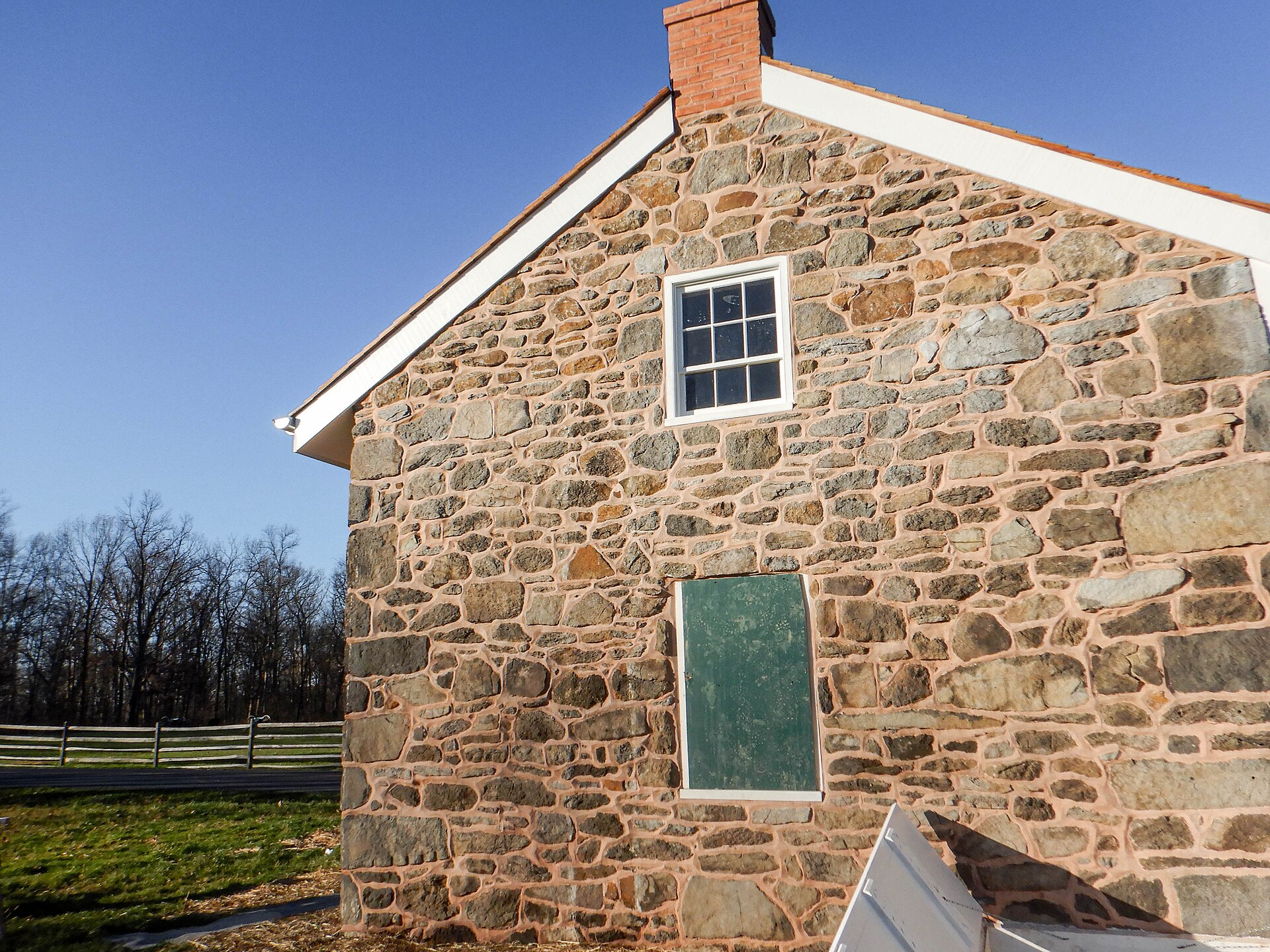
- What restoration is included for rubble or stone cottage foundations — repointing, parging — beyond the membrane?
- Interior versus exterior system on this lot: what would each solve, and what would each leave unsolved?
- What written, transferable warranty covers labour and materials?