Basement waterproofing in Guelph
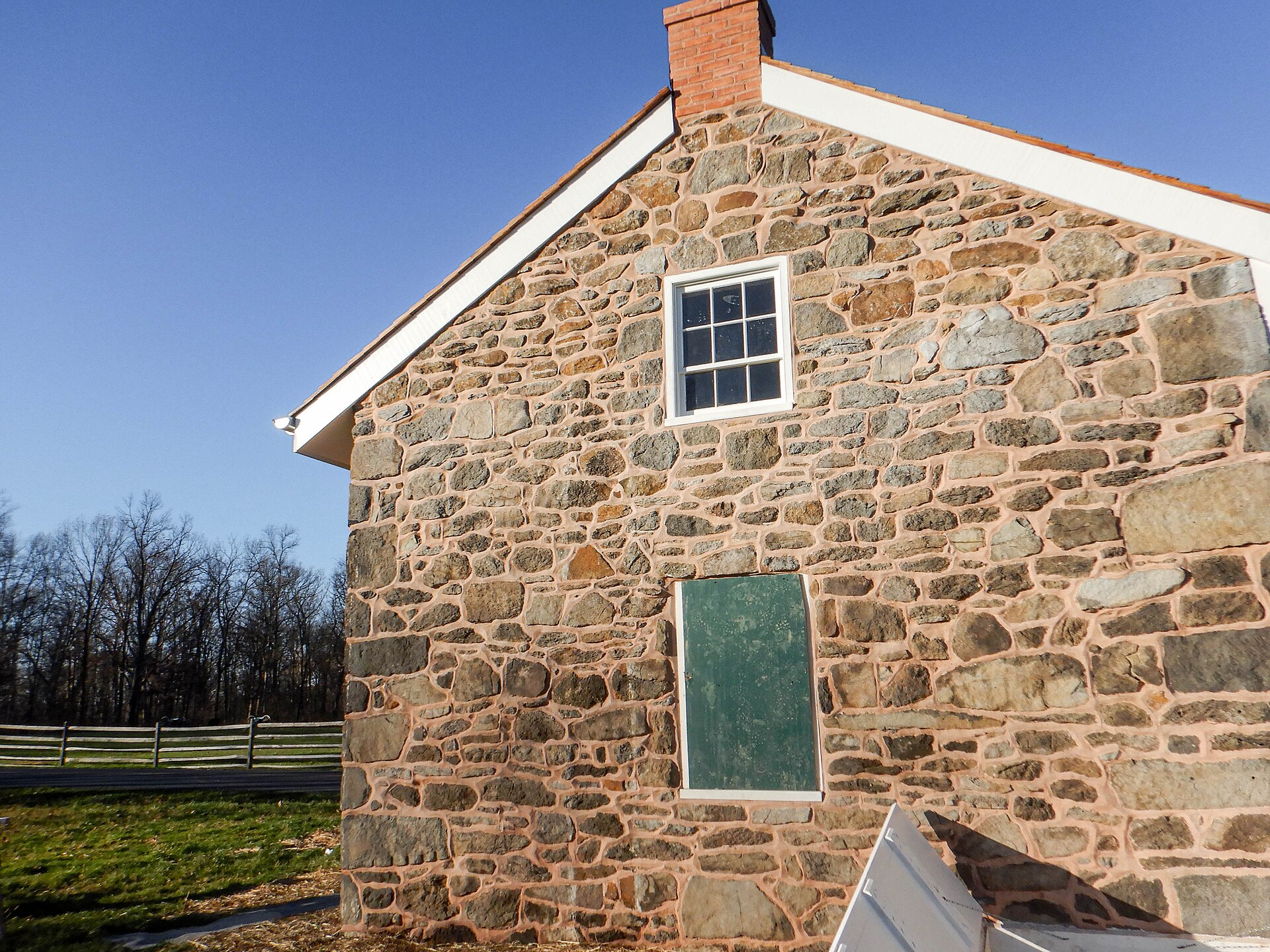
Guelph, population about 143,740, is a single-tier city at the western edge of the Greater Toronto Area and the seat of Wellington County, built where the Speed and Eramosa rivers meet. The older halves of the city ring the downtown: stone and brick Victorians in the core, worker housing in the Ward (St. Patrick's Ward) east of the Speed River, postwar bungalows in Exhibition Park and the West End, and the streets around the university on Grange Hill. The south end — Westminster Woods, Clairfields, Pineridge — and Kortright Hills in the southwest are 1990s-to-2000s subdivisions graded around stormwater ponds and the Hanlon Creek valley. That timeline is the short version of who calls a waterproofing contractor: 19th-century stone and rubble foundations near the rivers, concrete block and lightly reinforced poured walls from the 1950s to 1970s, and finished basements everywhere the water table has an opinion.
The land shapes the work. Guelph sits on shallow dolostone bedrock — the Guelph Formation is named for the city — under stony loam till, so exterior excavation to footing depth can meet rock and add machine time or hoe-ram work to a quote. The Speed, the Eramosa and Hanlon Creek hold floodplain pockets through the older wards, and the creek and pond systems of the south end keep the seasonal water table honest. Work in regulated valley and floodplain areas is reviewed by the [Grand River Conservation Authority](https://www.grandriver.ca/), on top of any City permit.
Permits and bylaw rules
Building permits run through the City's [residential building permits and inspections page](https://guelph.ca/city-government/building-permits-inspections/residential-building-permits), which lists altering a foundation (underpinning), installation, replacement or repair of site servicing — water, sanitary and storm lines — plumbing work, and finishing a basement among the projects that require one. A straightforward like-for-like repair usually sits outside that list, but the page tells homeowners to confirm with Permit Services before work starts, so have the contractor make that call in writing. Discharges to the sanitary and storm sewers are governed by the City's [Sewer Use By-law 20911](https://guelph.ca/wp-content/uploads/SewerUseBylaw.pdf); in practice that means sump pumps and new yard drainage should discharge onto the lawn, well away from the foundation, the sidewalk and neighbouring lots.
Lots, soil and climate
Downtown and Ward lots are narrow and tight to the lane, so exterior waterproofing on those streets usually means small machines or hand digging, deck and fence removal, and full sod restoration. Bedrock is close enough that some trenches end in rock, and homes beside the Speed and Eramosa live with a high water table that shows up in every open excavation. Mid-city postwar streets carry block foundations that crack horizontally under lateral earth pressure. South-end homes were built with modern weeping tile and sumps but are the most likely to have finished basements, which moves the repair inside. Guelph sits far enough from Lake Ontario to lose its moderation: colder winters than the lakeshore, frost to footing depth, a March-to-April melt and heavy summer thunderstorms.
The season
Book exterior waterproofing — excavation, membrane, dimpled drainage board and weeping tile — between May and October, when the ground is thawed and membranes cure within their temperature range. Interior perimeter drains, sump pump replacement, backwater valves and crack injection run year-round. Calls peak with the spring melt and after the first big summer downpour finds a weak spot.
What drives the price and what to ask
Quotes in Guelph move most with exterior-versus-interior scope, trench depth, rock and dewatering near the rivers, machine access through narrow older lots, block versus poured foundations, and any underpinning or basement-lowering work. Ask each basement waterproofing contractor:
- Is the written scope full exterior excavation to the footing with membrane and drainage board, an interior perimeter system, or targeted crack injection — and how does that change if the basement is already finished?
- Does the job cross into permit territory — underpinning, site servicing, plumbing changes or a finished basement — and who files with Guelph's building department and books the inspections?
- If the house backs onto the Speed, the Eramosa or Hanlon Creek, is conservation authority review needed, and is that work in the quote?
- On streets with a high water table, what trench shoring and dewatering keeps the excavation safe — and where does the pumped water go?
- Where does the sump discharge end, so it stays off the sanitary sewer, the sidewalk and the neighbour's lot?
- Is a battery-backup pump included for summer-storm power failures?
- What written warranty covers materials and labour, and does it transfer if you sell the house?