












Basement waterproofing in Haldimand County
Haldimand County, population about 49,216, is a single-tier municipality located in southern Ontario along the northern shore of Lake Erie and the lower reaches of the Grand River. The county comprises several distinct urban communities, including Caledonia, Cayuga, Dunnville, Hagersville, and Jarvis, interspersed with extensive rural and agricultural land. The physical geography is dominated by the Haldimand Clay Plain—a broad physiographic region characterized by dense, heavy, glaciolacustrine silty clay soil with low natural permeability. Haldimand clay is notably expansive: it shrinks and forms deep surface cracks during dry summer spells, and swells significantly when saturated in autumn and spring. This shrink-swell behavior exerts substantial lateral hydrostatic and physical pressure against foundation walls, frequently causing horizontal cracks, stair-step masonry joint fractures, and inward wall deflection. In areas like Hagersville, shallow limestone and dolostone bedrock sits beneath the clay, while communities along the Grand River and Lake Erie shoreline face exceptionally high water tables, river flooding, and lake storm surges.
Permits and bylaw rules
Haldimand County oversees building and renovations through its Building Division (`haldimandcounty.ca/business-building-development/building-and-construction/building-permits-and-applications/when-you-need-a-building-permit/`). Applications for building and plumbing permits are processed online via the County's CityView Portal. Under the Ontario Building Code, building permits are mandatory for projects involving foundation excavation, structural repairs to bowed or shifting foundation walls (such as installing carbon-fibre reinforcement straps or steel wall anchors), underpinning, creating new basement walkouts, and installing or modifying plumbing systems like backwater valves or new sub-floor sump basins. Haldimand County requires a foundation permit for repairing cracked or bowing foundations and for applying drainage, damp-proofing or waterproofing to a foundation. Check with the Building Division before any crack repair.
Local bylaws strictly prohibit directing foundation drainage, weeping tile runoff, or sump pump discharge into municipal sanitary sewer systems. County [By-law 1443-14](https://www.haldimandcounty.ca/government-administration/by-laws-and-policies/by-law-directory/sewer-use-by-law/) requires stormwater, including sump discharge, to be released at grade away from the building so it doesn't pool near the house or affect neighbouring properties. In addition, large areas of Haldimand County situated along the Grand River, Lake Erie shoreline, or local wetlands fall under the jurisdiction of conservation authorities: primarily the Grand River Conservation Authority (GRCA, `grandriver.ca`), alongside the Niagara Peninsula Conservation Authority (NPCA, `npca.ca`) in eastern sections around Dunnville, and the Long Point Region Conservation Authority (LPRCA, `lprca.on.ca`) in the west. Work within regulated flood hazard zones may require a conservation development permit. Ask contractors to verify permit requirements with Haldimand County and confirm that all plumbing and excavation adheres to local bylaw rules.
Lots, soil and climate
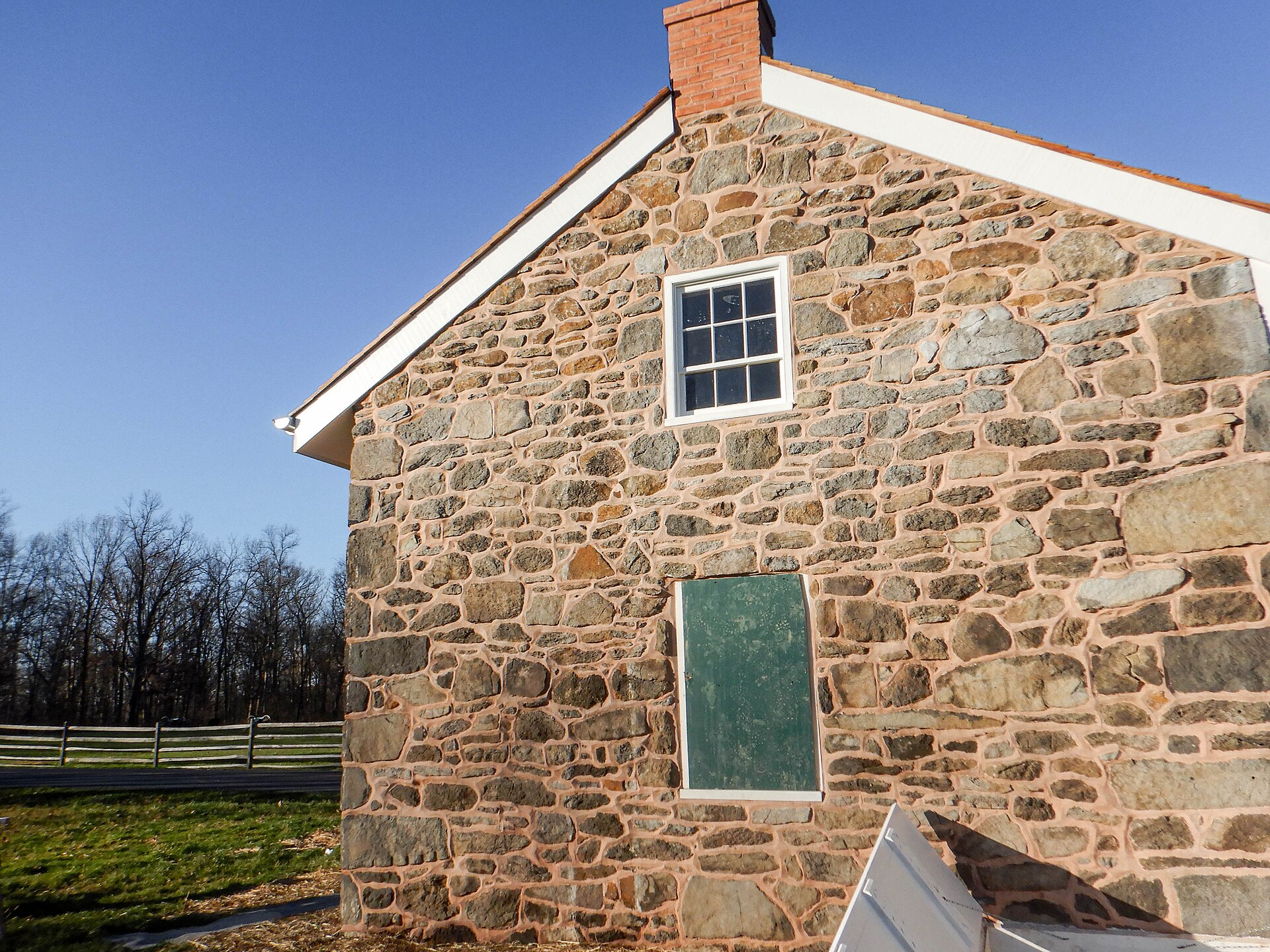
Residential lots in Haldimand County vary from compact riverside parcels in Dunnville, Cayuga, and Caledonia to large rural agricultural acreages and new master-planned suburban developments. Older homes in riverfront communities often have century-old fieldstone, limestone, or early concrete block foundations that are highly susceptible to moisture ingress and mortar degradation. Modern subdivisions feature poured concrete foundations, but the surrounding soil remains dense Haldimand clay. Because water cannot easily drain through compacted clay, water pools around the exterior foundation perimeter unless relieved by effective weeping tiles and free-draining granular backfill.
The climate is moderated by Lake Erie, bringing humid summers, damp freeze-thaw cycles in winter, and heavy seasonal precipitation. Winter frost penetrates deeply. In spring, rapid snowmelt combined with ice jams on the Grand River and high Lake Erie water levels creates severe hydrostatic pressure spikes, challenging the damp-proofing and sub-slab drainage of sub-grade basements.
The season
The optimal window for exterior basement waterproofing in Haldimand County runs from May through October. During this period, soils are thawed and dry enough to permit stable trenching. Saturated Haldimand clay turns into heavy, sticky muck in late fall and early spring, making trenching hazardous and proper backfill compaction nearly impossible. Interior waterproofing installations—including sub-floor perforated drain pipe, dimpled drainage wall liners, sump pit excavation, and crack injections—can be safely performed year-round. Emergency calls for active water infiltration peak in the spring (March to May) during the Grand River spring runoff and heavy early rains.
What drives the price and what to ask
Waterproofing costs in Haldimand County are heavily influenced by soil conditions (heavy expansive clay requires careful excavation, soil disposal, and importing clean granular stone backfill along the foundation wall to promote drainage), foundation structural repairs (bowed block or stone walls requiring carbon-fibre reinforcement or helical tieback anchors), and proximity to high water tables near Lake Erie or the Grand River (requiring dual high-capacity sump pumps and backwater valves). Ask each basement waterproofing contractor:
- Does the quotation recommend exterior excavation with an elastomeric membrane and drainage board, an interior weeping tile system, or targeted crack injection?
- Given the expansive Haldimand clay on my property, what thickness of clean 3/4-inch crushed clear stone backfill will be installed over the weeping tile to ensure proper water filtration?
- Does the project require a Haldimand County building or plumbing permit, or approval from the GRCA/NPCA, and will your company handle the applications?
- Does the quote address structural foundation stabilization (such as carbon-fibre strapping or wall anchors) if expansive clay has caused inward wall deflection?
- Where will the sump pump discharge line empty to comply with County drainage bylaws and prevent water from cycling back to the foundation?
- Is a high-capacity battery-backup sump pump or dual-pump configuration included to protect against power failures during severe river and lake storms?
- What written warranty covers the labour and waterproofing membrane, and is it fully transferable to subsequent property buyers?
- What regular inspection schedule is recommended for the sump pump, check valve, and exterior discharge lines?