










Basement waterproofing in Halton Hills
Halton Hills, population about 62,951, is a town in Halton Region whose people and homes concentrate in Georgetown and Acton, with hamlets such as Glen Williams, Norval, Limehouse and Hornby between them. The Niagara Escarpment — a UNESCO World Biosphere Reserve — crosses the town's north-west, so within one municipality a waterproofing crew can meet shallow limestone and dolostone bedrock on an escarpment lot, and heavy glacial till and clay on a flat southern lot near the Georgetown South subdivisions. The Credit River runs through Glen Williams and Georgetown, and Black Creek through Acton, so creek-adjacent streets carry the extra load of floodplain groundwater during wet seasons.
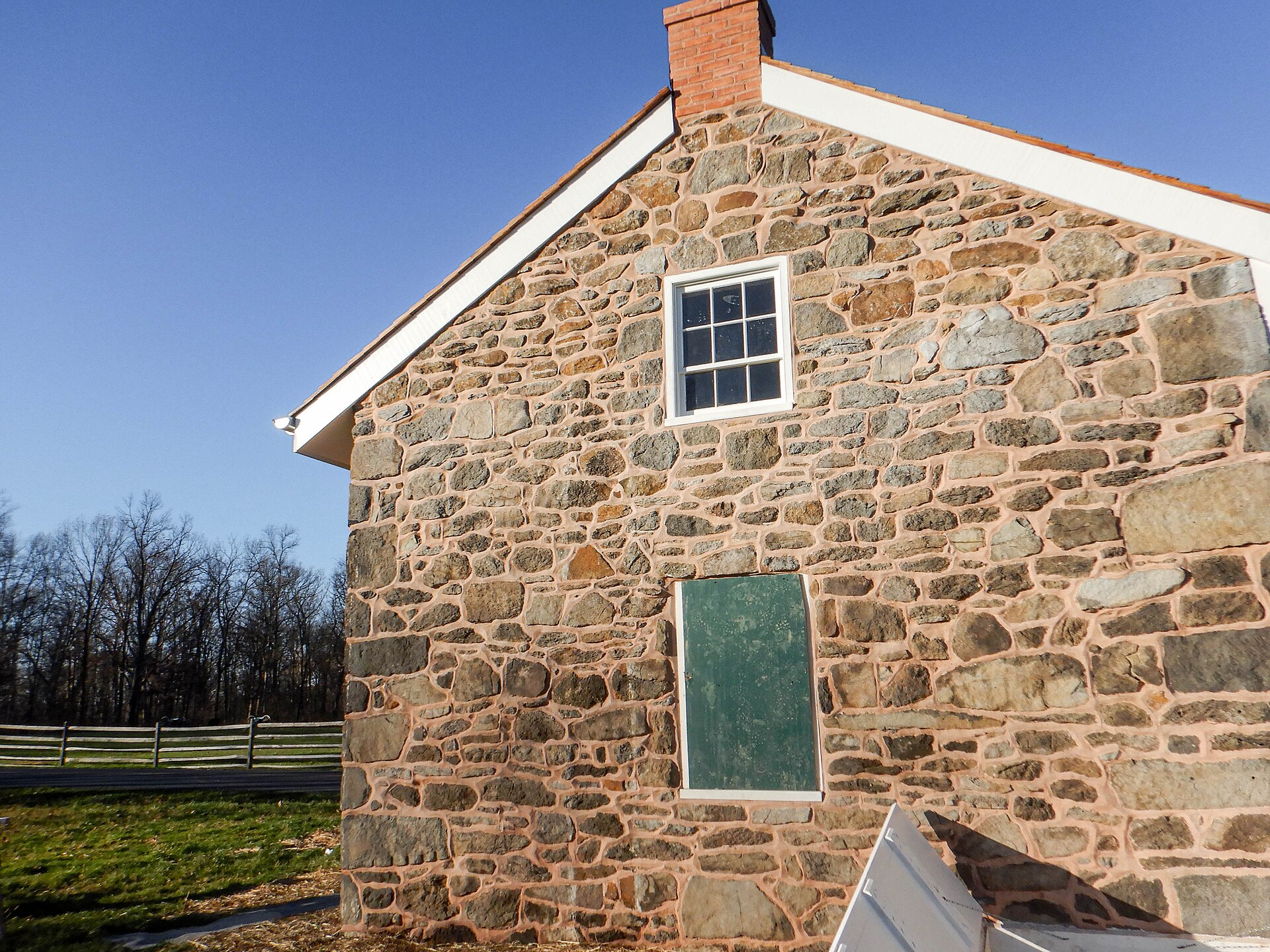
The housing stock spans two eras: 1800s mill-town cores in Georgetown and Acton with stone, rubble and double-brick foundations on narrow lots, and subdivisions from the 1980s onward with poured concrete foundations. The July 2024 storm — Conservation Halton reported upwards of 75 mm of rain and Credit Valley Conservation up to 118 mm within their watersheds, and the Mayor reported that over 80 people from Halton Hills called the Region with flooding in basements and other property issues (`web.archive.org/web/20251108071818/https://www.haltonhills.ca/en/news/mayors-message-on-flooding.aspx`) — is the local reminder that cloudbursts, not just groundwater, put water into basements here.
Permits and bylaw rules
The Town of Halton Hills administers building permits, including plumbing permits (`haltonhills.ca/building-permits`), and the site lists what does and does not require one. Under the Ontario Building Code, permits apply before excavating beside a foundation, structurally repairing or bracing foundation walls, underpinning, adding a basement walkout, or altering plumbing such as a backwater valve, sump basin or new drain connection. The Town's required list also names replacement or repair of damp-proofing and the foundation drainage system, and its permit-free list doesn't include foundation repairs, so confirm crack repairs with Building Services. The Town's flooding page (`haltonhills.ca/flooding`) points homeowners to the three conservation authorities whose regulations can apply to work near water — Credit Valley Conservation, Conservation Halton and the Grand River Conservation Authority — so check your lot against each authority's regulation map before work near a creek or wetland. The same page notes the Town is waiving the Plumbing (Backflow Preventer/Backwater Valve/Sump Pump) building-permit fee for residents completing work in response to flooding, including work under Halton Region's subsidy programs for downspout disconnection, weeping-tile disconnection and sump-pump installation, backwater-valve installation, and sewer-lateral lining and repair. Halton Region's [Wastewater By-law 2-03](https://www.halton.ca/repository/by-law-2-03-wastewater) prohibits discharging storm water, drainage of lands, groundwater or uncontaminated water to the sanitary sewer unless the Region expressly authorizes it in writing.
Lots, soil and climate
Escarpment-side lots slope, so surface water from upslope yards and road cuts heads toward lower foundations unless grading, swales and intercepting drains are part of the fix — a waterproofing job here is half site drainage. Shallow bedrock in the north makes excavation slower and costlier and can force an interior system instead of full exterior dig. Georgetown and Acton core lots are narrow with mature trees and shared drives, limiting machine access. The climate is lake-moderated but prone to intense summer thunderstorms; winter brings freeze-thaw cycles, with frost depth around the roughly 1.2 metres commonly assumed in southern Ontario foundation design.
The season
Exterior waterproofing in Halton Hills generally runs from May through October, when till and clay are workable and backfill can be compacted properly. Interior perimeter drains, sump installations and crack injection proceed year-round. Emergency calls spike from March through May at thaw, and again after the summer cloudbursts that have repeatedly flooded Georgetown and Acton basements.
What drives the price and what to ask
Price here moves most with what the shovel hits (soil versus escarpment bedrock), access (fenced narrow lots in the old cores versus open subdivision yards), the depth of exterior excavation, and whether sewer-backup protection — backwater valve and sump with proper discharge — is added after storm flooding. Ask each basement waterproofing contractor:
- Is exterior excavation with membrane and drainage board the right call here, or does bedrock, slope or access make an interior perimeter drain system the better value?
- If rock is hit at excavation depth, how is that costed — and is that written into the quote?
- How will upslope surface water be handled: grading, swales, intercepting drains, downspout extensions?
- Does the job need a Town building or plumbing permit, and will your company apply and arrange inspection?
- If the house is near the Credit River, Black Creek or a regulated wetland, is a conservation authority permit required first?
- Is a backwater valve and sump pump with a discharge that stays out of the sanitary sewer included, given cloudbursts like the July 2024 storm?
- On a stone or rubble foundation, is repointing or bracing included before the coating or liner goes on?
- What written warranty covers labour and materials, and does it transfer to a future buyer?