


























Basement waterproofing in Hamilton
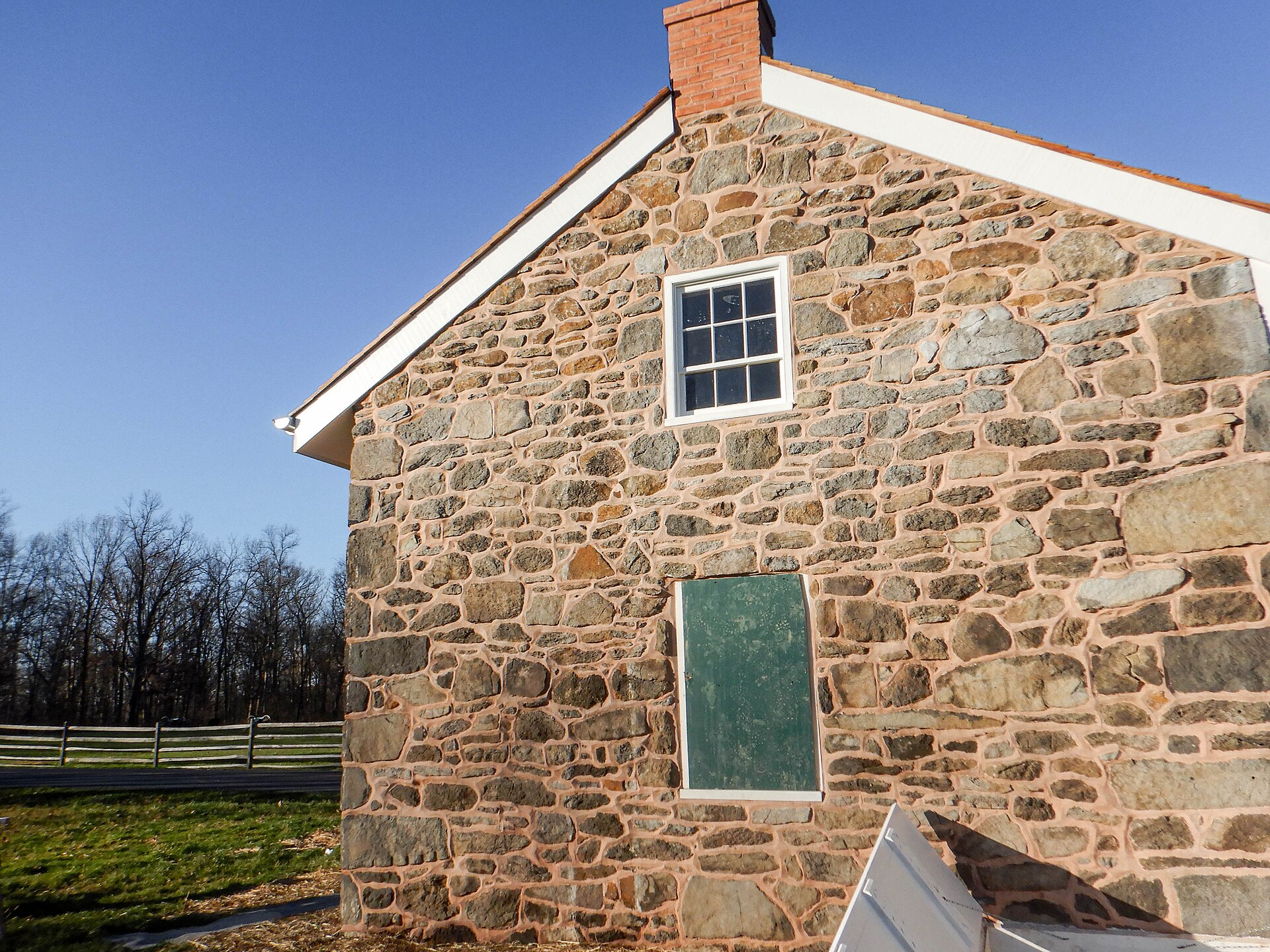
Hamilton, population about 569,353, is shaped by the Niagara Escarpment: the older lower city sits on the Lake Ontario plain below the brow, while the Mountain, Stoney Creek, Ancaster, Dundas and Flamborough spread out above and behind it. Housing follows that split — pre-war brick and stone streets in Durand, Corktown and around downtown, post-war bungalows and sidesplits across the Mountain, and suburban subdivisions from the 1970s onward in Stoney Creek and Ancaster. Foundation types track the timeline: rubble and fieldstone or concrete block on the oldest homes, block through the post-war era, poured concrete in newer subdivisions. Water runs downhill to the lower city, parts of which still sit on older combined storm-and-sanitary sewers, and the creek valleys — Chedoke, Red Hill and their tributaries — carry escarpment runoff through settled neighbourhoods, so cloudbursts have repeatedly flooded basements closest to the lake and the valley floors.
Permits and bylaw rules
Building work is governed by the Ontario Building Code and administered by the City of Hamilton building division, whose [residential building permit page](https://www.hamilton.ca/build-invest-grow/construction-renovation/residential-building-renovation/building-permit) names waterproofing or damp-proofing of foundation walls, replacing weeping tile, and raising or lowering (underpinning) a house to provide a full basement among the projects that need a permit. The city's [basement flooding pages](https://www.hamilton.ca/home-neighbourhood/home-property/basement-flooding) pull the local programs together, including the Sewer Lateral Management Program. The headline for buyers is the [Protective Plumbing Program](https://www.hamilton.ca/home-neighbourhood/home-property/basement-flooding/protective-plumbing-program): a grant (subsidy) of up to $2,000 for eligible works — a backwater valve including assessment, downspout disconnection, and a sump pump installed in conjunction with a backwater valve — plus a loan stream for larger protective plumbing costs. To get the maximum grant, the homeowner must pick a contractor from the city's list of pre-qualified contractors; choosing an outsider caps the grant at $500 for a backwater valve. Eligibility requires a single-family home with a basement, connected to the city sewer, taxes current, and built before January 1, 2012. Excavation or work near a creek valley, wetland or the escarpment's regulated slopes may also need a Hamilton Conservation Authority permit — see [HCA permits and regulation](https://conservationhamilton.ca/permits-regulation/).
Lots, soil and climate
Lower-city lots near downtown are narrow and tight — fences, mature trees and shared drives push exterior digs toward mini-excavators or interior systems — while Mountain and Stoney Creek subdivisions usually leave room on one side for a full-size machine and stone delivery. Soils on the lakeshore plain are fine-grained clays that stay wet through spring and turn heavy and sticky after rain, which slows trenching and makes clean drainage stone and filter fabric essential so clay fines do not clog new weeping tile; above the brow, till and shale-dominated ground generally drains faster. The lake moderates winters near the shore, but the brow sheds snowmelt and stormwater toward the lower city in pulses.
The season
Exterior waterproofing — excavation, membrane, dimple board and new weeping tile — is best booked May through October, once the ground has dried and coatings cure reliably. Late-winter melt and April–May rain raise the water table and fill the creeks, so emergency interior calls spike in spring and again after summer thunderstorms. Interior perimeter drains, sump upgrades, backwater valves and crack injection can be done year-round, and finishing that work over the winter is the practical way to be ready before the thaw.
What drives the price and what to ask
Price in Hamilton moves with access (narrow lower-city side yards versus open suburban frontages), foundation material (stone and block needing repointing and parging versus poured concrete), how much water the lot collects (valley-floor and lakeshore properties versus elevated Mountain lots), and whether underpinning or benching drags in engineering and shoring. When collecting quotes, ask each contractor:
- Exterior excavation with membrane and dimple board, an interior perimeter drain, or targeted crack injection — which does this house actually need, and why?
- Which parts of the scope need a City of Hamilton building or plumbing permit, and who pulls them?
- Is a backwater valve or sump pump in the plan, and does the work qualify for the Protective Plumbing grant — are you on the city's pre-qualified contractor list so the full $2,000 is available?
- What documentation (device specs, invoices, before-and-after photos) will you provide for the grant application?
- Where will the sump discharge, and is that location acceptable under the city's rules?
- If the dig is near a creek valley or the escarpment slope, is a Hamilton Conservation Authority permit needed, and who handles it?
- What stone and filter fabric spec keeps the lower-city clay fines out of the new weeping tile?
- What written, transferable warranty covers labour and materials, and is the company established locally to honour it?