









Basement waterproofing in King
King, population about 27,333, is York Region's greenest tier — a township of three village cores (King City, Nobleton and Schomberg) surrounded by hamlets such as Kettleby, Ansnorveldt and Laskay, estate parcels and horse farms. The Oak Ridges Moraine runs across the middle of the township, the Holland River and the edge of the Holland Marsh sit at its northwest corner, and the Humber's headwater streams thread through the villages. For basements that means three worlds in one municipality: moraine sand and gravel that drain quickly but sit over shallow aquifers, saturated organic soils near the marsh plain around Schomberg, and dense clay till on the southern tier that holds water against foundation walls through every thaw and storm.
Permits and bylaw rules
King's building department publishes its own line between what needs a permit and what does not ([king.ca](https://www.king.ca/buildingpermits)). Under the Ontario Building Code Act a permit is required to construct, demolish, renovate, alter, install or change the use of a building, and the Township's list names the triggers that touch this trade: altering or repairing a building or its plumbing system, repairing or installing a septic system, and raising a dwelling to provide a full basement. The does-not-require list is just as specific — "damp-proofing basements" and "replacement plumbing fixtures" appear on it — so a crack injection or membrane repair often proceeds unpermitted, while a new sump and discharge line, backwater valve or any structural repair crosses into permit territory.
Exterior work faces a second gate. King regulates grading and fill under By-law 2021-039, and the Township's site alteration and fill permit page warns that a $500 violation fee applies at final inspection for permit non-compliance as of January 1, 2025 ([king.ca](https://www.king.ca/sitefillpermit)) — an exterior dig that regrades a yard or moves fill on an estate lot is worth confirming against that page before the excavator arrives.
Water adds a third. Humber headwater valleys around King City, Nobleton and Kettleby fall to the Toronto and Region Conservation Authority ([trca.ca](https://trca.ca/planning-permits/permit-applications)), while the Holland River and Lake Simcoe tributaries around Schomberg and Ansnorveldt fall to the Lake Simcoe Region Conservation Authority ([lsrca.on.ca](https://lsrca.on.ca/index.php/planning-permits/)); both administer Ontario Regulation 41/24, which requires a conservation permit before grading, filling or altering drainage in regulated valleys, wetlands and floodplains, and much of the township also sits under Oak Ridges Moraine plan review, which stretches approval timelines.
Lots, soil and climate
King's lots are generous — village lots with real side yards and estate parcels with long laneways — so machine access is rarely the constraint it is in older cities; travel time between scattered villages is. Many rural and estate properties remain on private wells and septic systems, which constrains where a sump can discharge. Soils vary sharply: moraine sands and gravels drain fast but the water table can sit close to the surface, especially near kettle wetlands; the marsh-edge organic soils around Schomberg stay saturated long after a storm; and the southern clay till swells and presses on block and stone foundations. Frost reaches roughly 1.2 metres, and lake-effect snow off Lake Ontario keeps meltwater moving through the spring.
The season
Plan exterior excavation — full dig to the footing, parging, membrane, dimpled board and new weeping tile — between May and October, when moraine sands are stable and membranes cure properly. Spring is the hardest season: the snowpack melts, the marsh plain is saturated and the kettle wetlands are full, making it the worst time to dig and the busiest for emergency interior work. Interior perimeter drains, sump pits and crack injection proceed year-round, which suits occupied village homes.
What drives the price and what to ask
King prices reflect GTA-area labour rates, mobilization across a scattered township, and geology: dewatering where the water table sits high, spring management on marsh-edge lots, and clay spoil handling in the south. When comparing quotes, ask each basement waterproofing contractor:
- Does the job fall on the permit side of the Township's own list — plumbing alteration, septic repair, structural work — and will you pull and close out any required permit?
- Will the dig regrade the yard or move enough fill to engage the site alteration and fill permit, and who handles that application?
- Is the lot in a TRCA or LSRCA regulated area — valley, wetland, floodplain — and who prepares the conservation permit?
- If we're over moraine sand with a high water table, what is the dewatering and shoring plan, and who pays if it runs long?
- Where does the sump discharge end up, keeping it clear of the well head and septic bed on unserviced lots and of neighbouring properties?
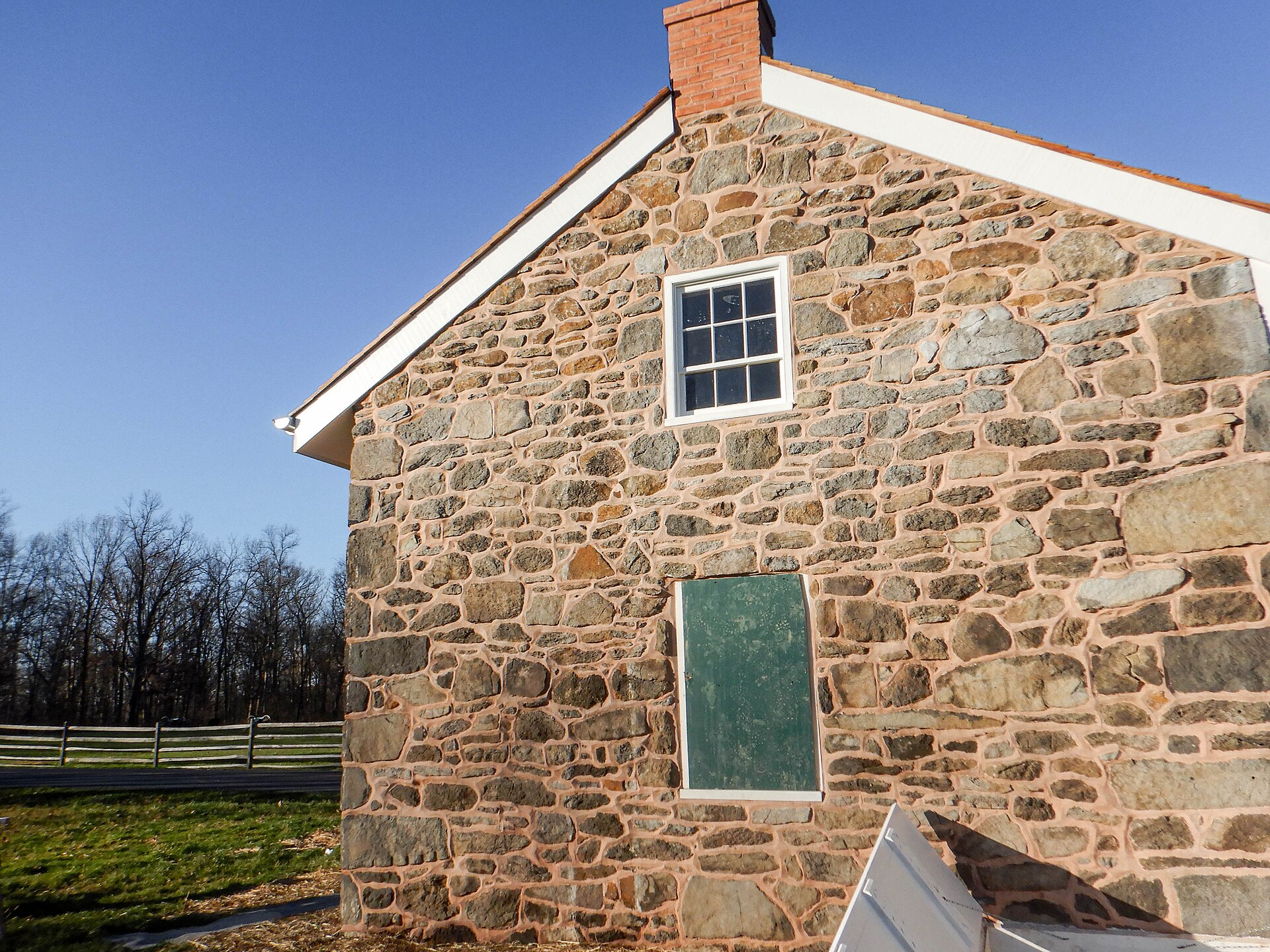
- For an older stone or block foundation, what repointing, parging or reinforcement is included beyond the membrane?
- How do Oak Ridges Moraine plan overlays affect the schedule you're quoting?
- What written, transferable warranty covers labour and materials?