



Basement waterproofing in London
London, population about 422,324, sits at the forks of the Thames River in Middlesex County, with the North and South Thames meeting downtown before the river loops east past the old industrial flats. Housing runs from Victorian and Edwardian streets in Old North and Wortley Village to post-war suburbs in Byron, Masonville and the east end, and to big newer subdivisions on the city's southern and western edges. Foundation types follow that timeline: rubble, fieldstone or concrete block under the oldest homes, block through the post-war decades, poured concrete from the 1970s on. The Thames and its urban creeks — Medway, Stoney, Pottersburg and Dingman among them — set the flooding picture: heavy clay soils shed rain quickly, spring melt pushes the rivers up, and low-lying streets near the creeks have seen repeated sewer backup and seepage after big storms.
Permits and bylaw rules
The City of London's [building permit guide](https://web.archive.org/web/20260727200458/https://london.ca/living-london/building-renovating/building-permits/you-apply-building-permit) draws the lines a waterproofing buyer needs: underpinning foundation walls, excavating to increase headroom, below-grade entrances and basement walkouts, sewer system installation or replacement, shoring and excavation, and sump pump or weeping tile work on a property in a Foundation Drainage Collection (FDC) System area all need a permit — while simple damp-proofing of a basement does not. That FDC detail matters in older districts where foundation drains tie into a separate city collector, so ask the contractor to confirm whether the property is in one. The money side is the [Basement Flooding Grant Program](https://web.archive.org/web/20261113164523/https://london.ca/living-london/water-environment/flooding/basement-flooding-grant-program), run under the Basement Flooding Grant By-law: a grant of 90 per cent of cost, to maximums that include $1,800 for a backwater valve, $4,000 for a sump pit and pump with weeping tile disconnection, $6,000 for a sewage ejector and holding tank, and up to $7,000 toward a storm private drain connection. Note the boundary: the program does not fund new weeping tile (interior or exterior), floor or wall crack repairs, or waterproofing services — it pays for the plumbing-level protection only, and the how-to-apply steps start with itemized quotes from licensed plumbers or drainage contractors reviewed by the city's Sewer Engineering Division before work proceeds. Work near the Thames, its creeks or regulated wetlands may also need a permit from the Upper Thames River Conservation Authority — see [UTRCA planning and permits](https://thamesriver.on.ca/planning-permits-maps).
Lots, soil and climate
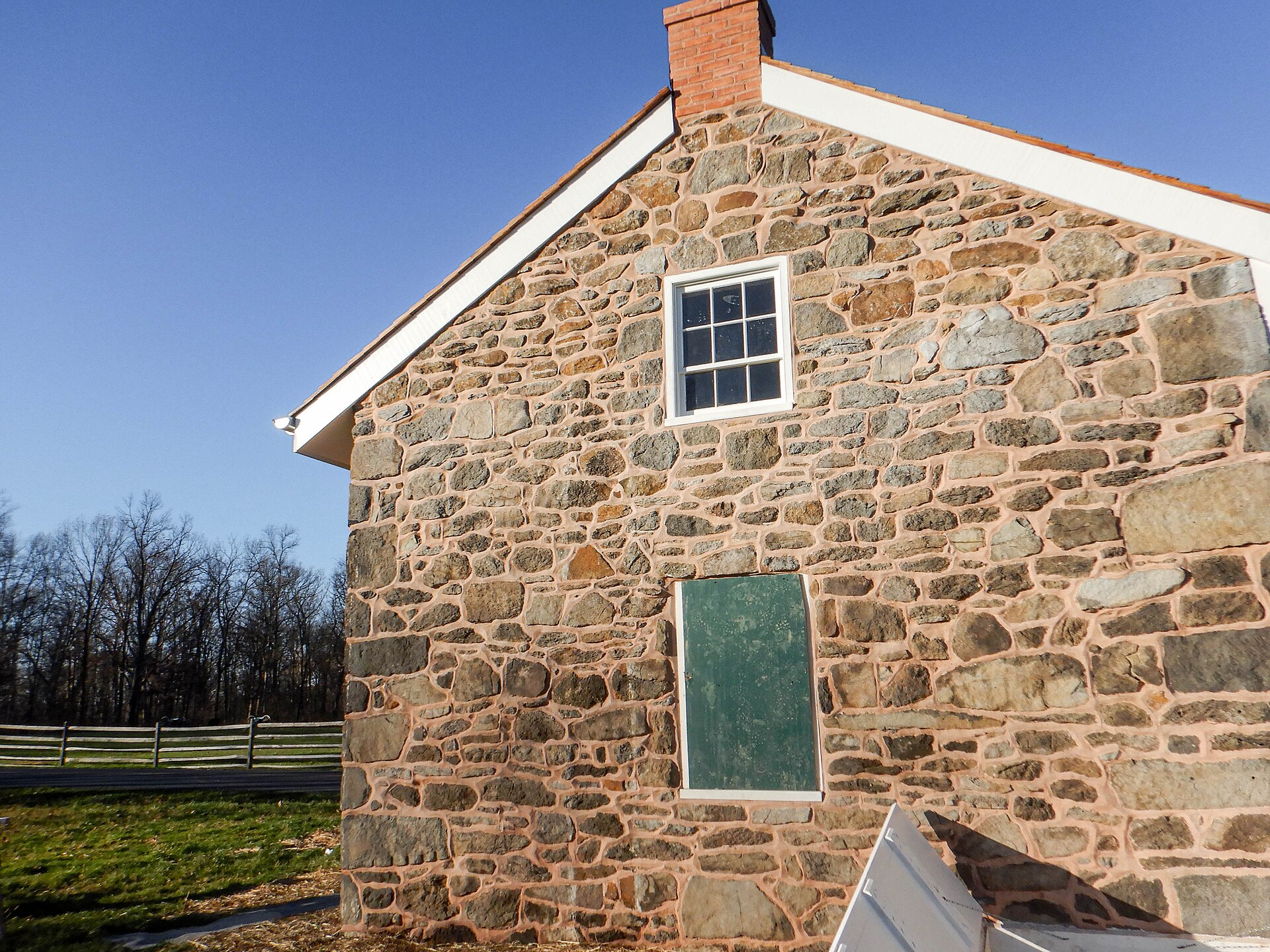
Old North and Wortley lots are narrow and shaded, with tight side yards that push exterior digs toward mini-excavators or interior systems; post-war suburbs and the newer south and west ends typically leave machine access on one side. Much of London sits on dense clay till that holds water through spring, slows trenching when wet, and makes clean stone and filter fabric around new weeping tile essential. Away from the lake, winters run colder than in the Golden Horseshoe — deeper frost and a later thaw — while summer thunderstorms drop fast, heavy bursts that clay soils cannot absorb.
The season
Exterior waterproofing is best booked May through October, after the ground dries and coatings cure reliably. The spring melt and April–May rain swell the Thames and its creeks, and that is when backup and seepage calls spike; summer cloudbursts drive a second peak. Interior perimeter drains, sump upgrades, backwater valves and crack injection can be done year-round, and winter is the practical time to finish them ahead of the thaw.
What drives the price and what to ask
Price in London moves with access (mature Old North side yards versus open suburban frontages), foundation material (stone and block needing repointing and parging versus poured concrete), depth to bearing soil on low creekside lots, and how much of the scope is protective plumbing versus full exterior excavation. When collecting quotes, ask each contractor:
- Exterior excavation with membrane and dimple board, an interior perimeter drain, or targeted crack injection — which does this house actually need, and why?
- Which parts of the scope need a City of London building or plumbing permit, and who pulls them? Is the property in an FDC System area?
- Is a backwater valve, sump pit and pump, or storm lateral in the plan, and which parts qualify for the Basement Flooding Grant Program's 90 per cent funding?
- Will you provide the itemized quotes and device specs the city's Sewer Engineering review and grant application need, and will you wait for that review before starting?
- Do you use licensed plumbers for the backwater valve and sump connections?
- Where will the sump discharge, and is that location acceptable to the city?
- If the dig is near the Thames, a creek or a wetland, is a UTRCA permit needed, and who handles it?
- What stone and filter fabric spec keeps London's clay fines out of the new weeping tile?
- What written, transferable warranty covers labour and materials, and is the company established locally to honour it?