

Basement waterproofing in Newmarket
Newmarket, population about 87,942, is York Region's central town on the Yonge Street corridor between Aurora and East Gwillimbury. The East Holland River and Fairy Lake run through the middle of town, with Tannery and Western Creeks joining from the north and west, and northern neighbourhoods climbing onto the Oak Ridges Moraine. The housing stock is a timeline in itself: 19th- and early-20th-century homes around the Main Street downtown, postwar bungalows and 1970s-to-1990s subdivisions across most of the town, and newer infill and condo development along Yonge Street and Davis Drive. Most of that stock now sits in exactly the age band where builder damp-proofing, original weeping tile and first-generation sump pits give out.
The Town's own sewer pages flag the consequence of all this riverside geography: storm water and groundwater that reach the sanitary system show up as basement flooding risk, which is why flood-protection work here is treated as part of the waterproofing job, not an add-on.
Permits and bylaw rules
The Town sets out the permit picture on its [building and renovating page](https://www.newmarket.ca/business-development/building-renovating): below-grade entrances and basement walkouts, structural alterations, plumbing changes and finishing a basement all require permits, while like-for-like waterproofing repairs to a basement with no plumbing involved sit on the Town's no-permit list. The moment a sump basin, backwater valve or relocated drain enters the scope, the plumbing trigger pulls — confirm with the Town's building permits team which category your job falls into before signing.
Discharges into the sewer system are regulated at the upper tier by [York Region's Sewer Use Bylaw (Bylaw No. 2021-102)](https://www.york.ca/yorkregion/bylaws/sewer-use-bylaw), which governs sewage, storm water and land drainage across the region's nine cities and towns — sump and drainage work should keep water on the lawn and out of the sanitary sewer. And because the East Holland River, Tannery Creek and moraine wetlands run through Newmarket, excavation near those features can need a permit from the [Lake Simcoe Region Conservation Authority](https://lsrca.on.ca/index.php/planning-permits/) before the first shovel goes in.
Lots, soil and climate
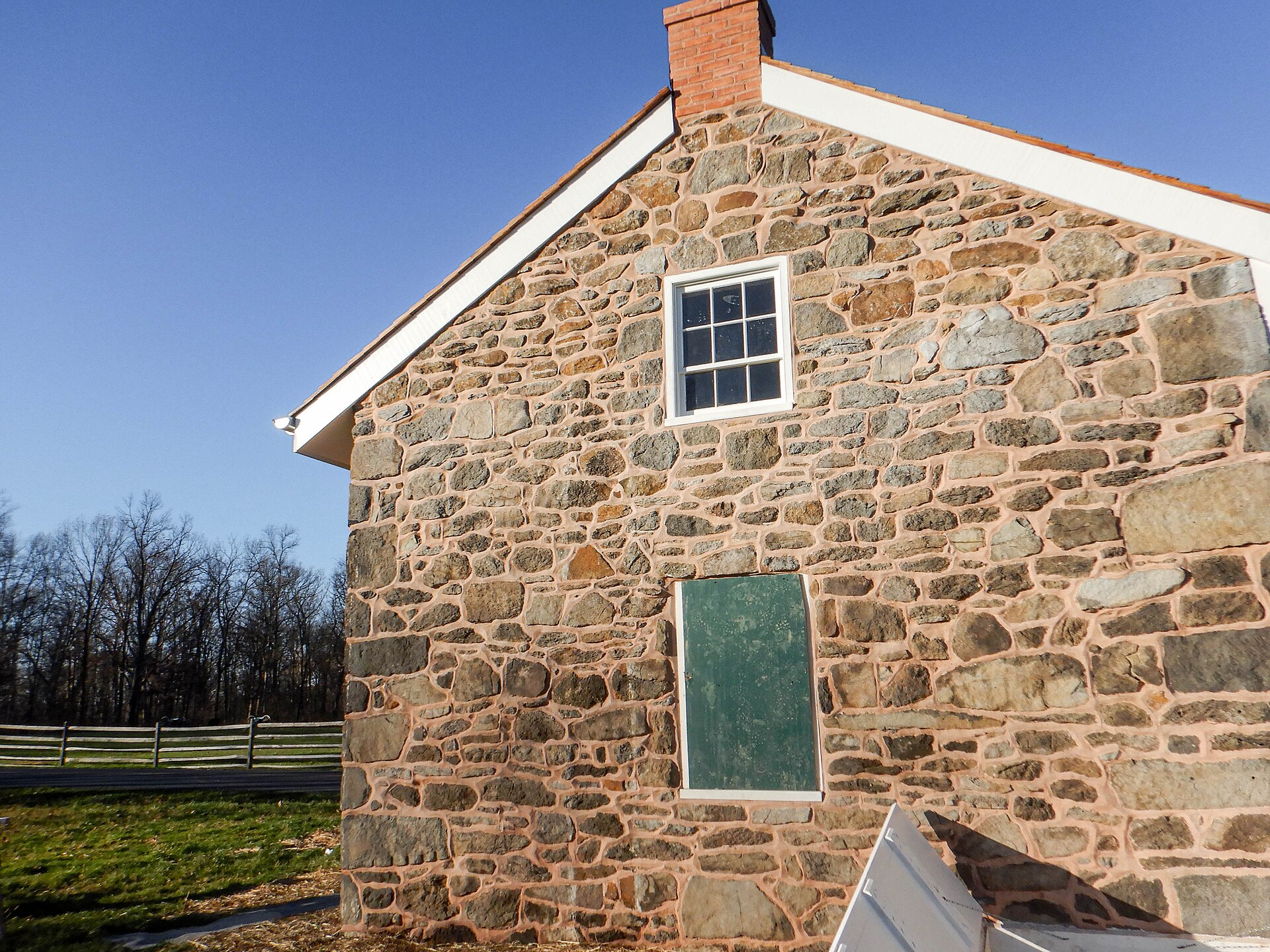
Downtown-adjacent homes can carry century-old stone or brick foundations; postwar bungalows and later subdivision homes carry block and poured concrete with original coatings now 30 to 60 years old. Subdivision lots are narrow with side-yard access only, so exterior excavation often means small machines, hand digging and agreements with neighbours on shared driveways. Moraine sand and gravel in the north drain fast but deliver water quickly to any coating flaw; the till and river-silt soils toward the Holland River valley drain slowly and hold spring melt against walls. The climate is inland GTA — snowy winters, a concentrated March-to-April melt, and humid summer thunderstorms — with frost pushing a metre and more down to footing depth.
The season
Exterior waterproofing runs May through October on thawed ground; interior perimeter drains, sump replacement, backwater valves and crack injection continue year-round. Demand peaks at the spring melt and after the summer storms that overload older sections of the sewer network, so book spring quotes early.
What drives the price and what to ask
Quotes in Newmarket move most with exterior-versus-interior scope on narrow lots, finished-basement teardown and rebuild costs, plumbing-triggered permits, backwater protection on older streets, and conservation review near the river and creeks. Ask each basement waterproofing contractor:
- Is the written scope exterior excavation with membrane and drainage board, an interior perimeter system, or targeted crack injection — and how does that change with a finished basement?
- Does the scope cross the permit line — basement walkout, structural alteration, plumbing change or a finished basement — and who files with the Town and books inspections?
- Should a backwater valve or sump renewal go in while the floor is already open on a street with sewer-backup history?
- Where does the sump discharge exit, and does it stay out of the sanitary sewer and off neighbouring lots?
- Near the East Holland River, Tannery Creek or moraine wetlands, is Lake Simcoe Region Conservation Authority review needed and included?
- How will access through a narrow side yard be handled — small machines, hand digging, deck or fence removal — and who restores landscaping?
- Is a battery-backup pump included, and what written warranty covers materials and labour — is it transferable when you sell?