

Basement waterproofing in Orangeville
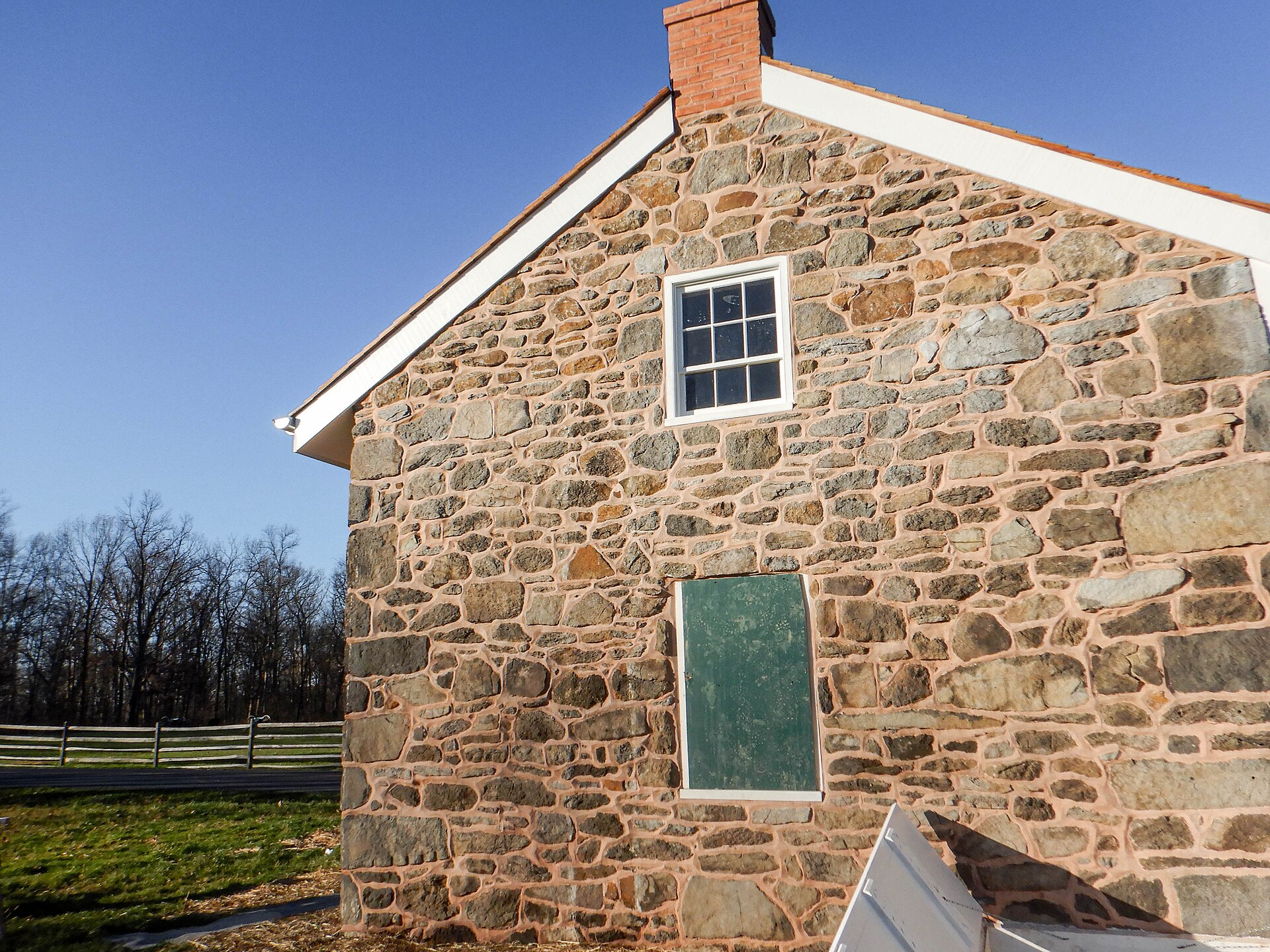
Orangeville, population about 30,167, is Dufferin County's seat, sitting at the very top of the landscape: the Credit River's headwaters rise in and around the town, with the Grand and Nottawasaga headwaters nearby, and the watershed's lands reach across the Oak Ridges Moraine and the Niagara Escarpment ([cvc.ca](https://cvc.ca/our-watershed)). Rain that lands on an Orangeville roof is starting a river. For basements, that shows up as springs and seeps in the sandy, gravelly headwater soils, a seasonally high water table in the low pockets, and — around Broadway and the older streets — the nineteenth-century stone and brick foundations the county's mill towns share.
Permits and bylaw rules
The Town's building permit page lists the triggers that matter to this trade ([orangeville.ca](https://www.orangeville.ca/en/doing-business/building-permits.aspx)): a permit is required before any installation or alteration of a plumbing system, replacing a sewer line or water service line, and any structural work. The Town's own inspection sequence for new construction runs the footing, then the weepers — the foundation's inside and outside drains — then rough-in plumbing, which tells you how closely sump and drain work is watched here. Waterproofing repairs and crack injection on their own are not listed triggers, but a new sump and discharge, a backwater valve, or lowering a basement floor each cross the line.
Water adds a second gate. Credit Valley Conservation administers Ontario Regulation 41/24 and requires a permit for projects near a watercourse, floodplain, valley slope, wetland or hazardous lands ([cvc.ca](https://cvc.ca/about-planning-permits/)). Orangeville's headwater streams thread through town parks and backyards, so a lot does not have to be rural to be regulated — have the contractor check the mapping before quoting.
Lots, soil and climate
Older lots near downtown are deep and narrow with mature trees; the ring around them is dominated by 1960s-to-1990s subdivisions, with estate lots on the fringes toward Mono and Amaranth. Moraine sands and gravels transmit water quickly — good for drainage, awkward for an open excavation in a wet spring, when the water table across the headwaters is at its highest. Island Lake, the reservoir just northeast of town, holds spring runoff and keeps the downstream flats damp. Frost reaches around 1.2 metres, and the escarpment country to the west funnels weather through its valleys.
The season
Full exterior excavation is a May-to-October job; the headwater water table peaks with the spring melt, making March and April digs slow, wet and expensive. Interior systems — perimeter drain, sump replacement, crack injection — proceed year-round, and emergency seep repairs spike with every melt.
What drives the price and what to ask
Quotes reflect the water table and spring flow, the age of foundations near Broadway, machine access on mature treed lots, and travel across Dufferin County. When comparing quotes, ask each basement waterproofing contractor:
- Does the job alter plumbing or structure — a sump, a backwater valve, underpinning — and will you pull and close out the Town permit?
- Is the lot near a watercourse, wetland or valley slope regulated by the conservation authority, and who handles that permit?
- How do you price a wet excavation — dewatering setup, pumping hours — and at what point does it become a change order?
- Interior perimeter drain versus exterior membrane: which suits this foundation and this lot grade, and why?
- Where does the sump discharge — to the surface away from the foundation, or to a storm connection — and is that connection included?
- What restoration is included for older stone or brick foundations, beyond the membrane itself?
- What written, transferable warranty covers labour and materials?