









Basement waterproofing in Oshawa
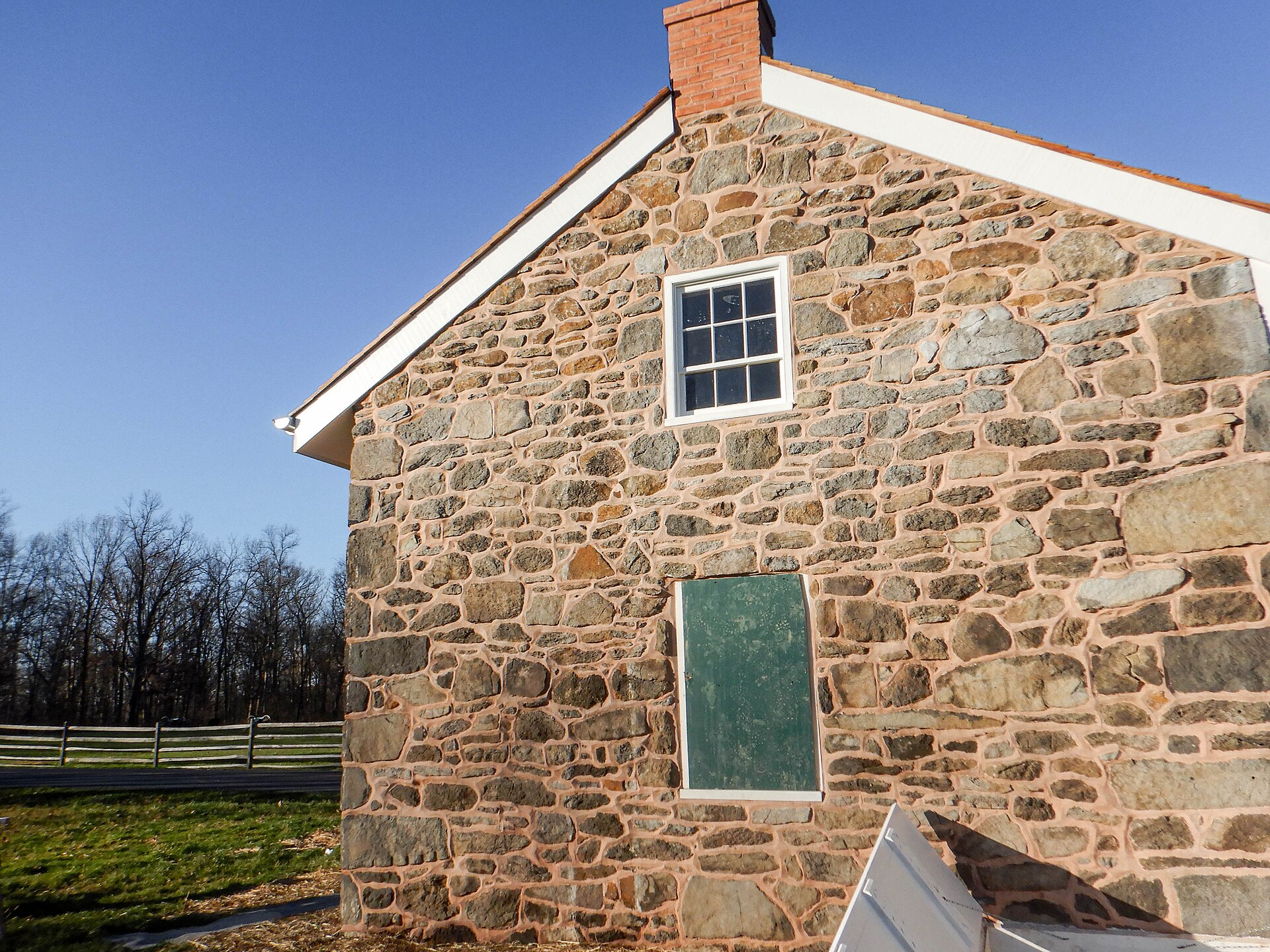
Oshawa, population about 175,383, is Durham Region's largest city, running from the Lake Ontario shore north past Highway 407. It grew as a mill and auto-manufacturing town, and its housing maps onto that history: 19th-century brick homes on narrow lots near the old Four Corners downtown, interwar and post-war streets through the central districts, and rapidly built subdivisions across north Oshawa. Foundations range from stone and rubble on the oldest housing stock to concrete block mid-century and poured concrete in the newer north end. Oshawa Creek, Harmony Creek and Goodman Creek cut through the city on their way to the lake, and homes in those valley corridors see the most repeated water trouble. Combined with clay soils on the old lake plain, summer cloudbursts that overwhelm storm sewers are the recurring pattern behind wet basements here.
Permits and bylaw rules
Renovation and foundation work falls under the Ontario Building Code, administered by Oshawa Building Services (oshawa.ca/living-here/building-and-renovating/building-permits). Permits are required for work that changes structure or plumbing — which in waterproofing terms means underpinning or bench-footing to lower a basement, structural foundation repairs, and plumbing alterations such as installing a backwater valve or converting a weeping tile connection to a sump pit. Applications go through the city's online portal, and the city's building permit documents section lists the drawings needed for basement work. Excavation or new drainage near Oshawa, Harmony or Goodman creeks may also fall inside Central Lake Ontario Conservation Authority regulated areas — floodplains, wetlands and watercourse corridors — where a separate CLOCA permit is required before digging (cloca.com/inquiries-permits).
Money-wise, the Region of Durham runs a Basement Flooding Loan Program for homeowners who have suffered sanitary sewer backups (durham.ca/living-here/my-property/basement-flooding): eligible owners can finance a backwater valve and sump pump installation through the Region rather than paying upfront. The Region also asks residents to report basement flooding to their local Works depot so the source can be traced — useful documentation to have in hand when a waterproofing quote is being scoped.
Lots, soil and climate
Central Oshawa's older streets carry narrow frontages, laneways and mature trees that limit machine access — interior perimeter systems or small excavators are often the realistic exterior option. North-end lots are newer and roomier, with space for a full-size excavator and stone delivery, though builders' grades on flat subdivisions sometimes leave little fall for surface drainage away from walls. South of the old Iroquois shoreline the city sits on lake-deposited silts and clays that hold water through spring; north of it the ground shifts to glacial till. Clay plains mean slow-drying trenches, hydrostatic pressure against walls after rain, and fine particles that will clog weeping tile unless the drainage stone is properly wrapped in filter fabric. Oshawa's climate is lake-moderated but squarely in Ontario's snow-and-thaw belt: the frost season runs deep enough that exterior work pauses in winter, and the March-to-May melt plus rain is when basements on the plain flood.
The season
Book exterior waterproofing — dig, membrane, dimple board, new weeping tile — from May to October while soil is workable and coatings cure properly. Late-summer and fall bookings are the calmest windows. Spring is the emergency season: creek levels and the water table rise with melt and April rain, and homes that have taken water once tend to take it again. Winter suits interior work — perimeter drains, sump pits, backwater valves, crack injection — and finishing that in the quiet months means the house is protected before the thaw. Because north Oshawa is still building quickly, trade availability is better than in tighter markets, but spring emergency calls still stack up; late-winter quoting gets better scheduling.
What drives the price and what to ask
Quotes in Oshawa swing on access and foundation era: tight older lots with stone or block foundations needing repointing cost more than open suburban digs on poured concrete; valley-corridor lots with high water tables may need bigger sump capacity or dual pumps; and lowering a basement with underpinning is a different order of cost than waterproofing alone. Ask each contractor:
- Exterior membrane system, interior perimeter drain, or crack injection — which fits this foundation and this water problem?
- Does the scope need a City of Oshawa building permit, and will you prepare the drawings and application?
- If the basement has taken sewage backup, is a backwater valve plus sump pump the right combination, and can the work be financed through Durham's Basement Flooding Loan Program?
- Has the flooding been reported to the Region so the source (sanitary backup versus storm infiltration) is documented?
- Where will the sump pump discharge, and will downspouts and weeping tile be kept out of the sanitary sewer?
- If the house is near a creek valley, is a CLOCA permit required and who handles it?
- What drainage stone and filter fabric specification stops the local clay silts from clogging the new weeping tile?
- Is a battery or water-powered backup sump included for power-outage storms?
- What written, transferable warranty covers labour and materials?