




































Basement waterproofing in Ottawa
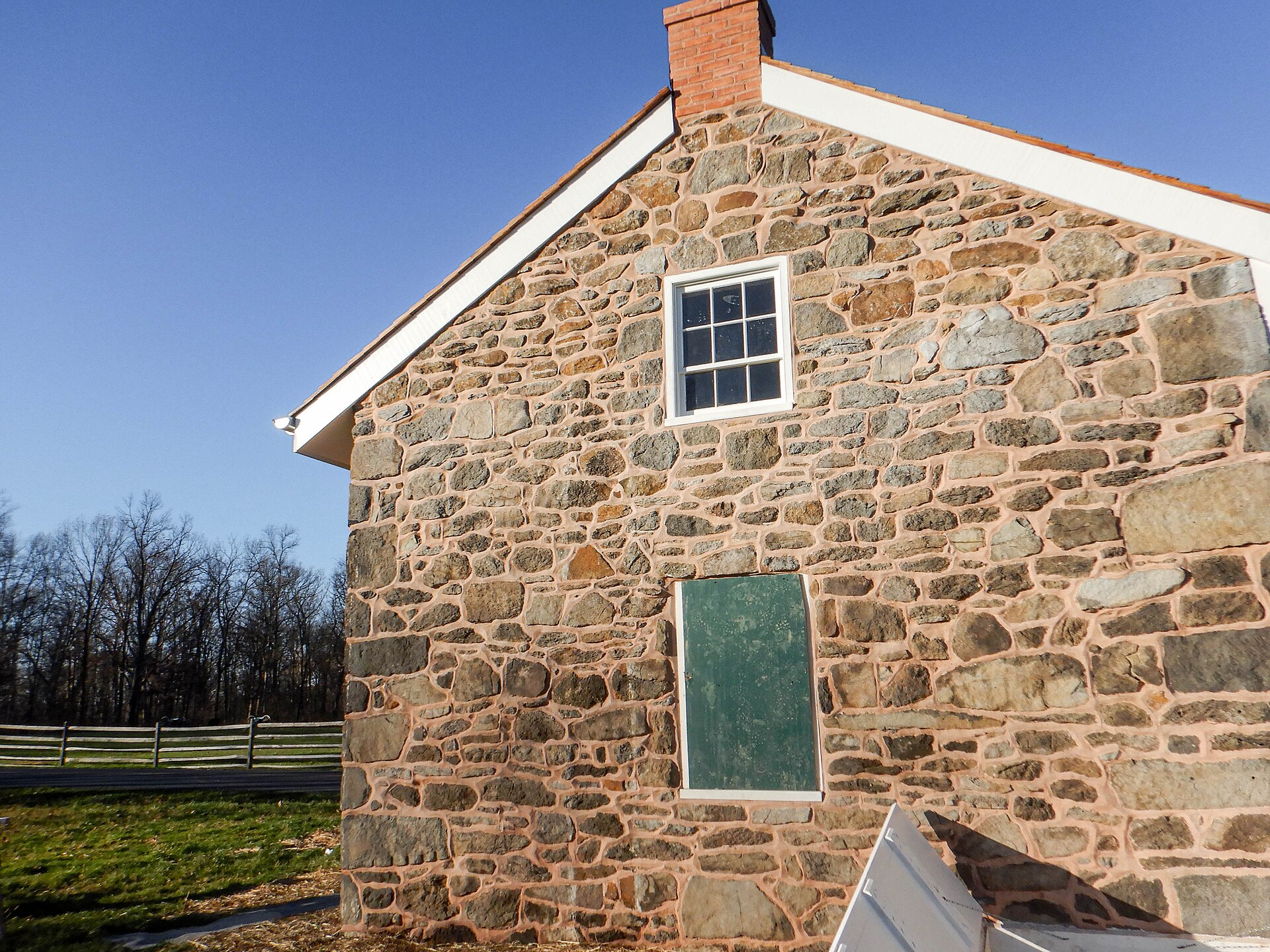
Ottawa, population about 1,017,449, is Canada's capital city, situated at the confluence of the Ottawa, Rideau, and Gatineau rivers. Its geography encompasses low-lying river plains, historic urban wards, and expansive suburban growth. Basement waterproofing considerations differ markedly across the city. Historic downtown core neighbourhoods—including Centretown, Sandy Hill, Lowertown, and The Glebe—feature homes dating from the late 19th and early 20th centuries constructed on rubble stone, fieldstone, or unreinforced masonry foundations. In contrast, post-war neighbourhoods in Nepean and Gloucester feature concrete block foundations, while newer master-planned communities in Kanata, Barrhaven, and Orleans are built with modern poured concrete. Low-lying districts along the Ottawa and Rideau river corridors contend with high seasonal water tables, whereas outlying suburban areas sit atop thick deposits of sensitive marine clay.
Permits and bylaw rules
Building activity in Ottawa is regulated under the Ontario Building Code and administered by the City of Ottawa Building Code Services (ottawa.ca/en/planning-development-and-construction/building-and-renovating/do-i-need-building-permit). Ottawa requires a permit for structural foundation repairs and for drain tile (weeping tile) replacement, as well as for plumbing changes such as backwater valves and new sump pits (ottawa.ca/en/planning-development-and-construction/building-and-renovating/do-i-need-building-permit/backwater-valves). Damp-proofing an existing basement doesn't need a permit; for crack injection, interior drains or anything else not on the City's lists, confirm with Building Code Services or 3-1-1 before work starts.
Drainage discharge is governed by the City of Ottawa [Sewer Use By-law (By-law No. 2003-514)](https://web.archive.org/web/20250521040902/https://ottawa.ca/en/living-ottawa/laws-licences-and-permits/laws/laws-z/sewer-use-law-no-2003-514): discharging stormwater, roof or land drainage, or uncontaminated water to the sanitary or combined sewer is prohibited unless the by-law's exceptions apply. Plan for the sump discharge to end on your own lot, on lawn or garden, away from sidewalks and neighbouring properties where it can freeze; confirm any City rules with Building Code Services. Work within floodplains, river valleys, or adjacent to watercourses falls under the jurisdiction of the Rideau Valley Conservation Authority (RVCA) or Mississippi Valley Conservation Authority (MVCA), requiring conservation permits prior to excavation. Homeowners should also inquire about the City of Ottawa Residential Protective Plumbing Program (ottawa.ca/en/living-ottawa/environment-conservation-and-climate/flooding/basement-flooding/flooding-rebates-and-grant/residential-protective-plumbing-program), which provides rebates for eligible homeowners installing approved backwater valves and sump pump systems.
Lots, soil and climate
Residential lot characteristics across Ottawa dictate waterproofing logistics. Older downtown lots are often narrow with tight side yards, so contractors may need mini-excavators, vacuum excavation or an interior perimeter drain. Suburban lots in Kanata, Barrhaven and Orléans usually allow standard excavation, though flat grading can hold water near the house.
Geotechnical conditions across the Ottawa Valley present unique foundation challenges. Much of the region is underlain by sensitive marine clay, commonly known as Leda clay, interspersed with glacial till and alluvial silt deposits along riverbanks. Leda clay is prone to significant shrinkage during dry summer periods and dramatic swelling and softening upon saturation, exerting cyclic lateral pressure against foundation walls. In parts of western Kanata and Nepean, shallow limestone or shale bedrock can be encountered within metres of the surface, complicating exterior drainage trenching. Ottawa's climate features long, freezing winters that drive frost depths down to 1.5 to 1.8 metres (5 to 6 feet), followed by rapid spring thaws. Melting snowpacks combined with spring rains elevate groundwater levels rapidly, testing the seals of exterior membranes and sub-slab drainage systems.
The season
Exterior waterproofing operations—comprising full trench excavation, wall washing, parging of block or stone foundations, application of self-adhering elastomeric waterproofing membranes, dimpled drainage boards, and new perforated weeping tiles encased in clear stone—are best scheduled between May and October. This ensures soils are thawed, trench walls remain stable against collapse, and waterproofing primers and coatings adhere properly. Interior waterproofing, such as sub-floor drainage piping, sump pit installations, and polyurethane crack injections, can be performed throughout the winter months, offering a convenient way to protect homes ahead of the spring melt. Peak emergency service calls occur during the spring thaw (March through May) when melting snow saturates the upper soil layers.
What drives the price and what to ask
Waterproofing costs in Ottawa depend on excavation accessibility (tight urban side setbacks versus open suburban yards), foundation material (historic stone requiring deep repointing and structural parging versus modern poured concrete), encountering shallow bedrock requiring mechanical hydraulic breakers, and proximity to river corridors with high water tables requiring dual-pump sump configurations. When evaluating contractor quotes, homeowners should ask:
- Does the quotation recommend exterior excavation with an elastomeric membrane and dimple board, an interior sub-floor French drain, or specialized crack injection?
- How will excavation equipment access the foundation walls without damaging neighbouring property, fences, or mature trees?
- Does the proposed work require a City of Ottawa building or plumbing permit, and will your company submit the application and coordinate municipal inspections?
- If the property is near the Rideau or Ottawa river corridors, does the scope require review by the RVCA or MVCA?
- Is the project eligible for Ottawa's Residential Protective Plumbing Program (RPPP), and will you provide itemized invoices from a licensed plumber for rebate submission?
- How will the sump pump discharge line be configured to prevent discharge onto public sidewalks or neighbouring lots?
- Is a battery-powered backup pump or secondary high-output sump pump included for storm outages and spring freshet runoffs?
- What drainage stone and filter fabric specifications will be used to prevent fine Leda clay from silting up the weeping tile?
- What written, transferable warranty is provided on labour and materials?