

Basement waterproofing in Pembroke
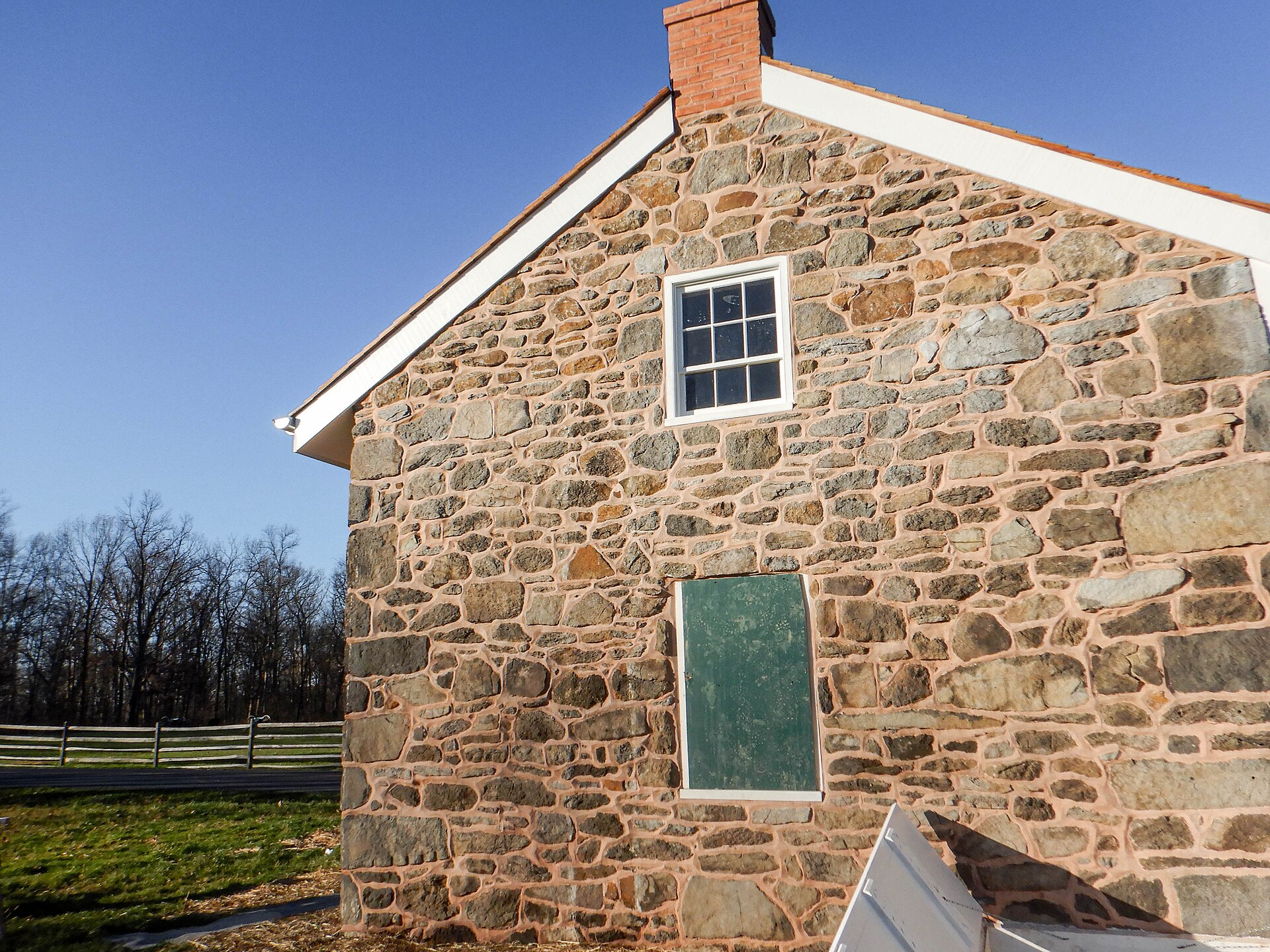
Pembroke had 14,364 residents in the [2021 census, as reported in the City's Parks and Recreation Master Plan](https://www.pembroke.ca/media/oxdjoagg/pembroke-prmp-final.pdf). The valley floor here is old seabed: marine clay laid down by the Champlain Sea, heavy and water-holding, with a water table that climbs every spring when the Ottawa River watershed drains its snowmelt. Much of the housing stock is a century old — brick two-storeys and wartime frame houses near the core, many on rubble or fieldstone foundations or on concrete block, and post-war bungalows with poured-concrete walls on the edges of town. Clay plus old foundations is the classic Pembroke combination: slow soil drainage, hydrostatic pressure against the walls every thaw, and mortar that has softened over decades of wet-freeze cycles.
Permits and bylaw rules
The City of Pembroke issues building permits through its Building Division, and its building and renovating page walks through when the Building Code Act requires one — a permit is needed for material alteration of a building, which captures structural foundation repairs, underpinning or basement lowering, and plumbing changes such as a new backwater valve or sub-slab sump and drainage piping (`pembroke.ca/business-and-development/building-and-renovating`). The same page sets out what the City expects a sub-grade drainage system to look like — a four-inch perforated pipe over clear stone, outletting to daylight, well-drained soil or a sump, with finish grade sloped away from the wall — so ask your contractor to follow that detail, not just the minimum the crew prefers.
Sump and downspout water has to stay on your own lot. The City's [Property Standards By-Law 2021-25](https://www.pembroke.ca/city-government/by-laws) says no roof drainage, storm water, sump pump discharge or pool water may be sent onto sidewalks, steps or a neighbouring property, or into the sanitary sewer system ([section 4.5.6, PDF](https://media-003-ca.cdn.govstack.com/pembroke-ca/media/kntdavjr/property-standards-by-law-2021-25.pdf)). A weeping-tile system or sump pump plumbed into the sanitary side is a bylaw violation and a surcharge risk in storms, so the discharge line must run to grade within the lot — a splash pad or dry well — rather than into a sewer pipe. Pembroke's [flood risk assessment summary](https://www.pembroke.ca/city-government/plans-policies-reports-and-studies/) identifies high water in the Ottawa, Muskrat and Indian rivers as a source of flooding. Before you plan excavation, ask the City whether the lot is in a floodplain.
Lots, soil and climate
Lots in the older core are narrow and deep, with houses close to the property line and little room for an excavator between foundations; riverside streets sit on flat, low ground with a seasonally high water table. The marine clay that underlies most of the town swells when wet, shrinks when dry, and holds meltwater against foundation walls well into spring. Pembroke winters are Ottawa Valley cold — deep frost, heavy snow, and a thaw that often does not finish until April, with the Ottawa River freshet stacking water up in low-lying yards at exactly the time the ground is releasing its own moisture.
The season
Exterior waterproofing — excavation to the footing, wall repair, membrane and drainage board, new weeping tile — is best booked from May through October, once the clay has thawed and the spring river levels have dropped. Interior perimeter drains, sump pits and crack injection can be done year-round. The busy season for calls is the April thaw and after summer thunderstorms; crews that serve the Valley from Ottawa or Peterborough book up quickly once spring arrives, so quote in late winter for early-season work.
What drives the price and what to ask
Price in Pembroke is driven by access (narrow core lots can mean hand digging or a compact machine), foundation type (rubble and fieldstone walls need repointing before any membrane goes on), the clay's water-holding behaviour, and how high the water table sits on streets near the Muskrat or Ottawa rivers. Distance matters too: the town is an hour-plus from the Ottawa contractor pool, and travel shows up in quotes. Ask each basement waterproofing contractor:
- Does the written quote propose full exterior excavation to the footing, an interior perimeter system, or targeted crack injection — and why is that right for a clay-lot, older-foundation house like this one?
- How will fieldstone, rubble or block walls be repaired and repointed before any membrane or drainage board is installed?
- Will the crew obtain the City of Pembroke building permit and arrange the inspections that come with it?
- Where will the sump pump and weeping tile discharge, given the City's rule against sump and storm water entering the sanitary sewer?
- Is a battery backup or second pump included for thaw-season storms and power failures, and is the discharge line buried or protected from freezing?
- If the lot is near the Muskrat or Ottawa river low ground, how will the system handle the spring freshet — check valve, elevated discharge, larger sump basin?
- What written warranty covers membrane, labour and drainage, and does it transfer to a new owner?