
Basement waterproofing in Smiths Falls
Smiths Falls, population about 9,254, grew up around the Rideau Canal locks and the Rideau River, with flat, low ground near the basin and older frame and brick houses on the streets around it. The town sits on the limestone shelf of the Ottawa Valley — the bedrock geologists named the Smiths Falls formation — so soil cover is thin in places and excavation can hit rock. Where the cover is deeper, low-lying ground often holds marine clay and silt from the old Champlain Sea. Both extremes change a waterproofing job: rock makes digging slow and expensive, clay holds meltwater against foundation walls. The housing stock mixes canal-era homes on stone or rubble foundations with mid-century neighbourhoods on block and poured concrete.
Permits and bylaw rules
The Town's [Building & Renovating page](https://www.smithsfalls.ca/business-building-development/building-renovating/) explains that a building permit starts with an application to construct or demolish, reviewed against the applicable law set out in [Ontario Regulation 205/03](https://www.smithsfalls.ca/business-building-development/building-renovating/) under the Building Code, with fees set by the Town's Building By-law and adjusted annually. Foundation repairs that alter structure or plumbing — underpinning, backwater valves, new sump and drainage piping — belong in that permit conversation with the Building Services team before work starts.
Drainage water has a dedicated rule. Under the Town's [By-law 6022-94](https://media-003-ca.cdn.govstack.com/smithsfalls-ca/media/va0jc3r3/sewer-and-sewage-and-drainage-works-by-law-6022-94.pdf) governing sewers, sewage and drainage works, storm water, surface water, ground water, roof run-off and subsurface drainage are to be discharged to storm sewers, combined sewers where the Town's engineer permits, or a natural outlet — which is exactly the water a weeping-tile system and sump pump collect, so where it goes after collection matters as much as the system itself.
Work close to the Rideau River, the canal basin, wetlands, steep slopes or floodplain also needs a permit from the Rideau Valley Conservation Authority under [Ontario Regulation 41/24](https://www.rvca.ca/permits-planning/about-section-28) — relevant to outfalls, discharge lines and any excavation near the water.
Lots, soil and climate
Lots near the basin and the older grid are small and flat, with houses close together and narrow side-yard access. Ground near the river sits at the water table in spring. The limestone plain means bedrock can be shallow, with deeper clayey soils in the low spots. Winters are Eastern Ontario cold — deep frost, a late thaw, spring freshet down the Rideau system, and humid summer thunderstorms that test grading and downspouts.
The season
Exterior waterproofing runs May through October, when the frost is out, the river levels have settled and both clay and rock sides handle better dry. Interior perimeter systems, sump work and crack injection can proceed year-round. Calls peak at the spring thaw and after heavy summer rain; late-winter quoting gets crews booked for the first dry weeks.
What drives the price and what to ask
Price in Smiths Falls is driven by how soon the shovel hits limestone, access down narrow side yards, the era and condition of the foundation, the spring water table near the basin and river, and the travel distance for crews based in Ottawa or Brockville. Ask each basement waterproofing contractor:
- Does the written quote propose exterior excavation to the footing, an interior perimeter system, or targeted crack injection — and why is that right for this lot and foundation?
- If the dig hits limestone, how is that priced — hourly machine time or a fixed rock allowance?
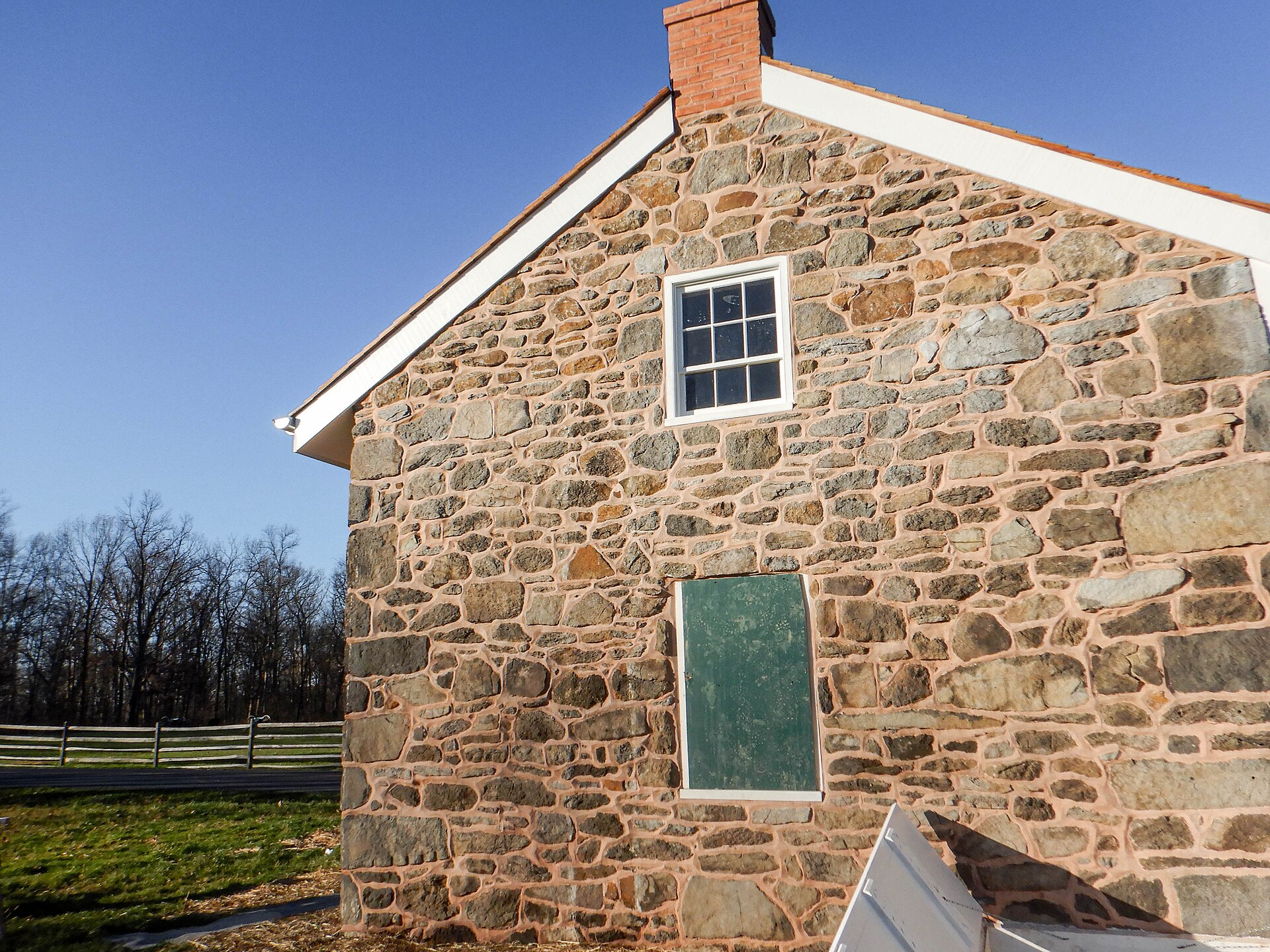
- How will stone, rubble or block walls be repaired and repointed before any membrane or drainage board goes on?
- Will the crew obtain the Town of Smiths Falls building permit, and is a Conservation Authority permit needed for anything near the river or canal?
- Where will the sump and weeping-tile water discharge, so it reaches a storm sewer or a proper surface outlet rather than a neighbour's lot or the sanitary side?
- Is a battery backup or second pump included for storm-season power failures, and is the discharge line protected from freezing?
- What written warranty covers membrane, labour and drainage, and does it transfer to a new owner?