

Basement waterproofing in Thorold
Thorold, population about 23,800, sits in the heart of the Niagara Peninsula, and the Welland Canal cuts straight through it — the flight locks step ships past some of the city's oldest streets. The housing stock runs from canal-era homes in the core to post-war bungalows and newer subdivisions on the edges. Three local realities shape most waterproofing jobs here: the fine clay soils of the Niagara lowland, which hold water against foundation walls instead of draining it away; groundwater that moves toward the canal and Twelve Mile Creek; and winter snow and freeze-thaw that melt off over still-frozen ground each spring.
Permits and bylaw rules
The City of Thorold's Building Division requires that a building permit be issued and in the property owner's possession before any construction activity begins, with applications supported by scaled construction drawings ([City of Thorold building and demolition permits](https://www.thorold.ca/building-business-development/building-and-renovating/building-or-demolition-permits)). Under the Ontario Building Code, that requirement reaches structural foundation repairs, underpinning, excavation that alters a foundation's support, and plumbing changes — which covers new sump basins and backwater valves. Work near the canal, Twelve Mile Creek or regulated wetlands can also need a permit from the Niagara Peninsula Conservation Authority before anyone digs. Where a sump pump or downspout may legally discharge varies by street and service type, so confirm the allowed discharge point with the City before the contractor pipes water to a ditch, a storm sewer or the property line.
Lots, soil and climate
Downtown and canal-side lots are narrow, with side yards tight enough to keep full-size excavators out — hand digging, compact machines or interior systems often decide the approach. Post-war lots to the north and south give equipment more room. Much of the city sits on lacustrine clay that stays saturated after rain and swells and shrinks through wet-dry cycles, stressing block and stone foundations; nearer the Niagara Escarpment edge, bedrock climbs toward the surface and can add cost to deep excavation. Spring snowmelt and thaw arrive over frozen ground, and autumn rains bring a second wet season that tests older damp-proofing.
The season
Exterior waterproofing — excavation, membrane or bentonite application, drainage board and new weeping tile — is best scheduled May through October, when the ground is thawed and temperatures support membrane adhesion and backfill compaction. Interior perimeter drains, sump upgrades and crack injection can be done year-round. The emergency season is early spring, when snowmelt runs over still-frozen ground straight into the backfill zone beside foundation walls.
What drives the price and what to ask
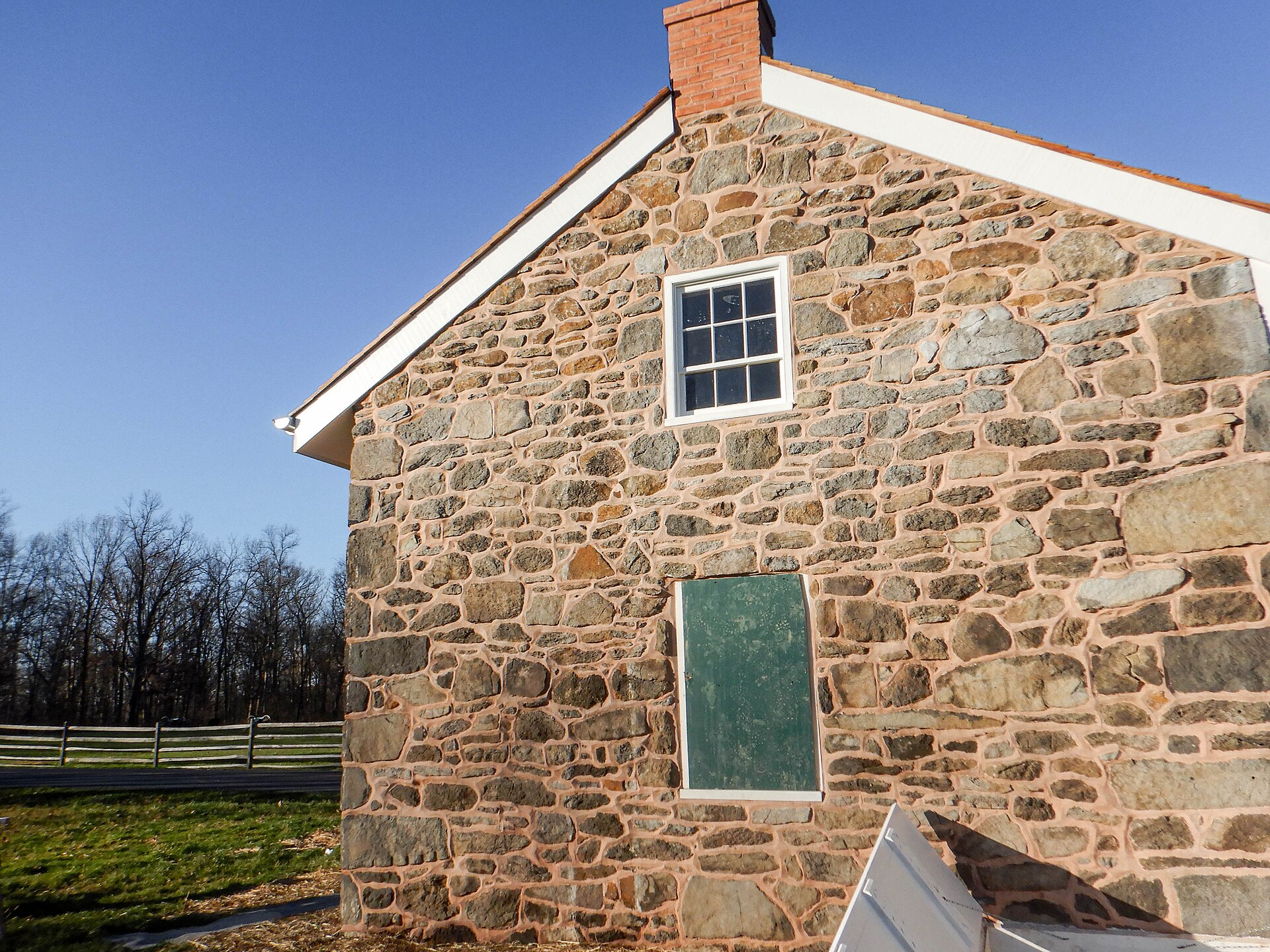
Price in Thorold moves with foundation age and type (rubble stone and double-brick in the older core, concrete block mid-century, poured concrete in newer areas), machine access through narrow side yards, and groundwater handling near the canal and creek valleys, where an open excavation may need continuous dewatering. Ask each basement waterproofing contractor:
- Is the proposed fix exterior excavation with membrane and drainage board, an interior perimeter drain with a sump, or targeted crack injection — and why that one for this foundation?
- Will you handle the City of Thorold permit application, drawings and inspections, and is the permit taken out in the owner's name?
- How will groundwater be managed during excavation — dewatering pumps, shoring, or scheduling outside the spring melt?
- How will sump and downspout water be discharged, and will you confirm the allowed route with the City before connecting anything?
- What separation fabric and stone bedding are specified so fine clay particles cannot silt up the new weeping tile?
- Is a battery or water-powered backup included with any sump pump installation?
- What written warranty covers the labour and materials, and does it transfer if the house is sold?