





Basement waterproofing in Vaughan
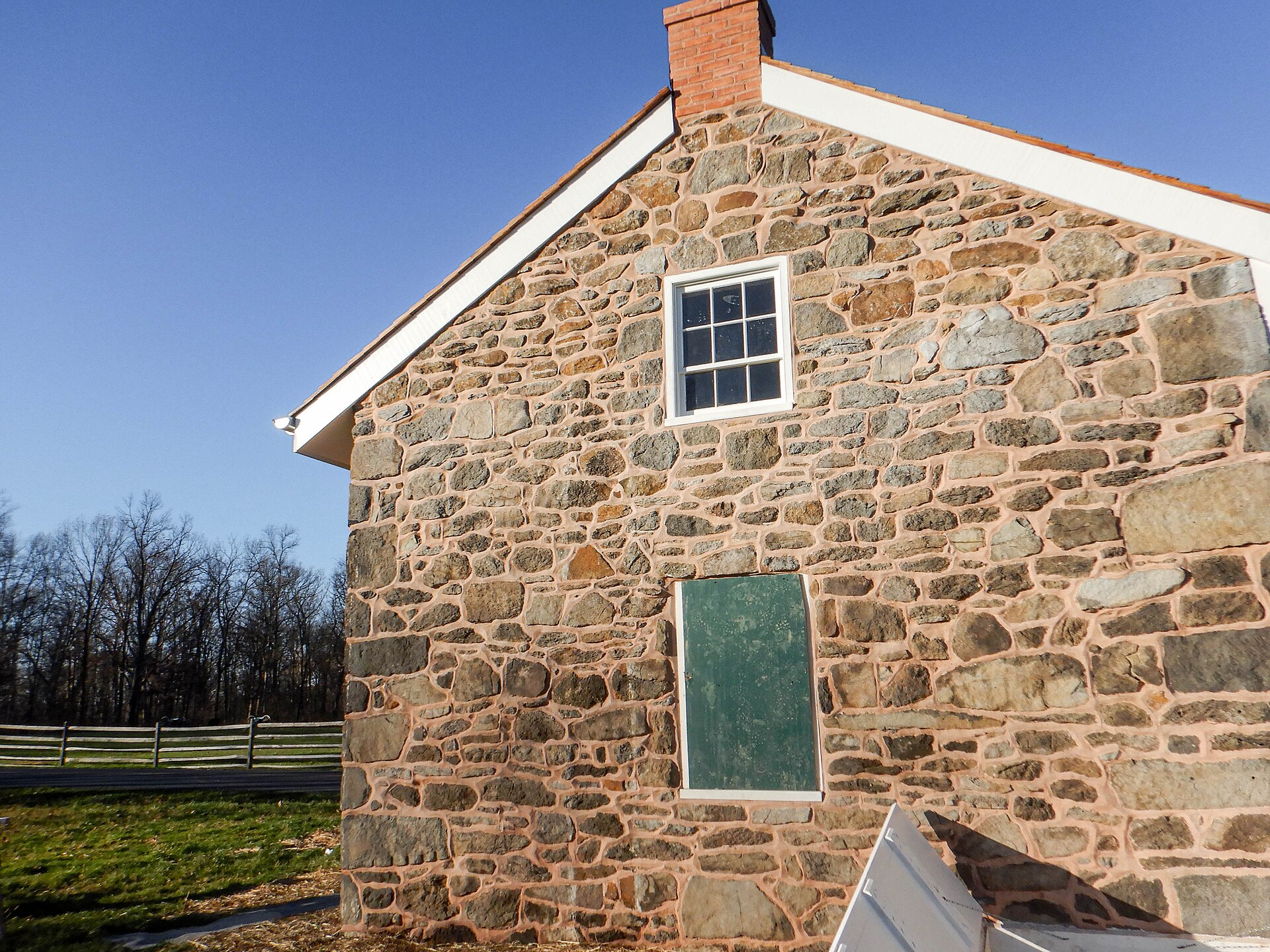
Vaughan, population about 323,103, fills the gap between Toronto and the Oak Ridges Moraine in York Region, built around its five historic communities: Woodbridge, Thornhill, Maple, Kleinburg and Concord. The oldest cores — Woodbridge along the Humber, Kleinburg's village streets, and Thornhill along Yonge — carry pre-war brick homes on small lots; the post-war and 1970s–2000s decades added bungalows, sidesplits and two-storeys across Maple and the trunk subdivisions; and the newest growth around the Vaughan Metropolitan Centre sits on engineered shallow foundations. Foundation types follow that timeline: rubble, fieldstone or concrete block under the oldest homes, block through the post-war era, poured concrete since the 1970s. The East Humber runs through Woodbridge and Kleinburg and the Don River rises in the Maple–Thornhill side of the city, so valley-adjacent streets live with fast-rising water after storms, and GTA-wide summer cloudbursts have repeatedly flooded basements here — the city's flood-prevention work and its back-water valve subsidy both trace to those events.
Permits and bylaw rules
Building work is governed by the Ontario Building Code, and Vaughan's building division accepts applications through its online permitting portal. The rules a waterproofing buyer will actually touch are set out on the city's [basement walkouts and underpinning permit page](https://web.archive.org/web/20260315145144/https://www.vaughan.ca/residential/building-and-construction/building-permits/building-permits-homes/basement-walkouts): every basement walkout requires a permit before construction starts, with drawings that include a foundation plan, cross sections and underpinning details, a lot grading permit from the city's Development Engineering department, and a professional engineer's design where the excavation undermines footings or adds retaining walls over a metre high. Plumbing work such as a backwater valve or sump connection runs through the same division's plumbing permits. The money page is the city's [sanitary back-water valve subsidy](https://web.archive.org/web/20260514043105/https://www.vaughan.ca/residential/water-wastewater-and-stormwater/wastewater-services/sanitary-back-water-valve): Vaughan covers up to $750 toward installing an approved back-water valve — including eligible labour, materials, permit fees and taxes — provided it is installed by a certified plumber, with subsidies first-come-first-served subject to funding. Excavation near the Humber valleys, the Don headwaters or regulated wetlands and woodlots may also need a Toronto and Region Conservation Authority permit — see [TRCA planning and permits](https://trca.ca/permits/).
Lots, soil and climate
Woodbridge, Kleinburg and Thornhill core lots are narrow and tight — fences, mature trees and shared drives push exterior digs toward mini-excavators or interior systems — while Maple's post-war streets and the newer subdivisions generally leave machine access on one side. Soils across Vaughan are clayey to silty tills off the Oak Ridges Moraine that hold water through spring and turn heavy after rain, which slows trenching and makes clean drainage stone and filter fabric essential so fines do not clog new weeping tile. Inland from the lake, summers run hot with hard thunderstorms and winters cold with deeper frost than the lakeshore cities.
The season
Exterior waterproofing — excavation, membrane, dimple board and new weeping tile — is best booked May through October, once the ground has dried and coatings cure reliably. Spring melt and April–May rain raise the Humber and the Don headwaters, and the June-to-September thunderstorm season drives the backup calls, especially in the older valley-adjacent cores. Interior perimeter drains, sump upgrades, backwater valves and crack injection can be done year-round, and finishing that work over the winter is the practical way to be ready before the thaw.
What drives the price and what to ask
Price in Vaughan moves with access (village-core side yards versus open subdivision frontages), foundation material (stone and block needing repointing and parging versus poured concrete), how much water the lot collects (valley-adjacent lots versus elevated tableland), and how much of the scope is straight waterproofing versus walkout construction or underpinning with engineering, shoring and a grading permit. When collecting quotes, ask each contractor:
- Exterior excavation with membrane and dimple board, an interior perimeter drain, or targeted crack injection — which does this house actually need, and why?
- Which parts of the scope need a City of Vaughan building, grading or plumbing permit, and who pulls them?
- If a walkout or underpinning is involved, does the design need a professional engineer's stamp, and is that included?
- If a back-water valve is in the plan, is it an approved device installed by a certified plumber so the $750 subsidy applies — and will you provide the completed application form, receipts and permit records?
- Where will the sump discharge, and is that location acceptable to the city?
- If the dig is near the Humber, the Don headwaters or a wetland, is a TRCA permit needed, and who handles it?
- What stone and filter fabric spec keeps Vaughan's till fines out of the new weeping tile?
- What written, transferable warranty covers labour and materials, and is the company established locally to honour it?