


Basement waterproofing in Whitchurch-Stouffville
Whitchurch-Stouffville, population about 49,864, is a vibrant municipality situated within the Regional Municipality of York in the Greater Toronto Area. The municipality includes the primary urban settlement of Stouffville alongside historic rural hamlets and agricultural communities such as Ballantrae, Vandorf, Gormley, and Lemonville. Physiographically, the town is defined by its position spanning the Oak Ridges Moraine—a massive glacial deposit of interbedded sands, gravels and silts that sit on the dense Newmarket Till and are capped in places by the younger Halton Till. The Moraine functions as a major regional groundwater recharge zone. Because permeable sand and gravel layers sit directly over impermeable clay till, localized perched water tables and artesian groundwater conditions are common. Basements throughout Whitchurch-Stouffville routinely face persistent hydrostatic pressure, where rising groundwater seeks entry through cold joints, form-tie holes, and foundation cracks.
Permits and bylaw rules
The Town of Whitchurch-Stouffville regulates residential construction through its Building Services (`townofws.ca/work/building-and-renovating/`). Property owners and contractors can submit applications and track approvals online using the Town's Application and Permit Portal. Under the Ontario Building Code, building permits are required for structural foundation alterations, underpinning or basement lowering, constructing new below-grade walkout entrances, and modifying interior plumbing infrastructure such as adding sub-slab drainage piping, new sump pits, or backwater valves. The Town's [building permits page](https://www.townofws.ca/work/building-and-renovating/building-permits/) lists "Repairs to leaking foundations" as work that doesn't need a permit, while noting every project must still adhere to the Ontario Building Code.
Because Whitchurch-Stouffville encompasses environmentally sensitive headwaters, works within designated regulated areas, valleylands, or flood hazard zones require approvals from the Toronto and Region Conservation Authority (TRCA, `trca.ca`) in southern watersheds (such as the Rouge River and Duffins Creek) or the Lake Simcoe Region Conservation Authority (LSRCA, `lsrca.on.ca`) in northern catchments. York Region's [Sewer Use By-law 2011-56](https://archives.york.ca/councilcommitteearchives/pdf/2011-56.pdf), which applies in Stouffville, prohibits discharging storm water, groundwater or sump water to the sanitary sewer without the Region's written approval. Ask the contractor to keep the sump discharge on your own lot, away from sidewalks and neighbouring properties, and confirm the Town's rules with Building Services. Ask contractors to verify which permits are required for your scope and confirm that the discharge design complies with Town bylaw rules.
Lots, soil and climate
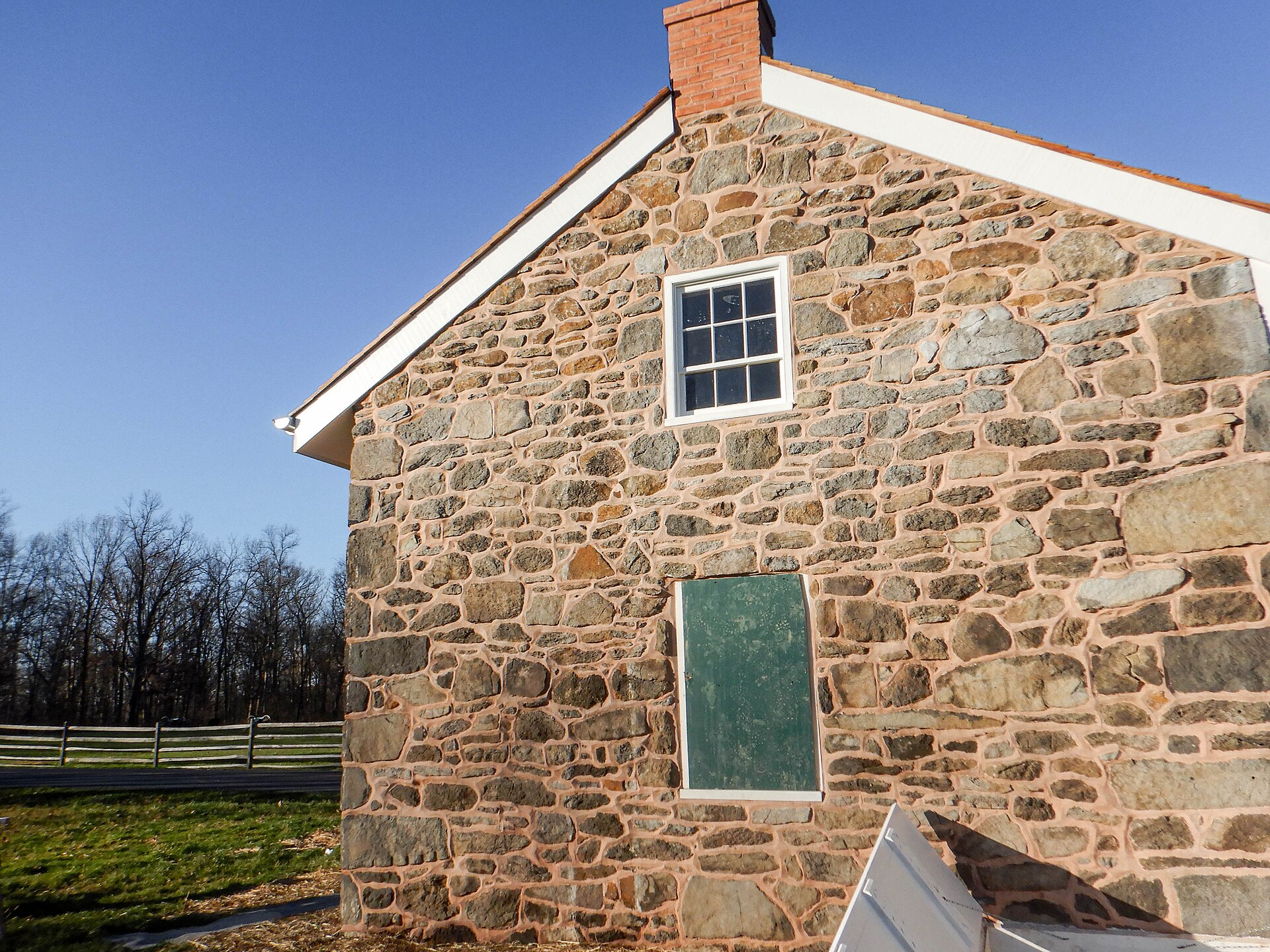
Lot conditions in Whitchurch-Stouffville vary markedly between older settlements, modern master-planned communities, and rural estates. In the historic core of Stouffville (around Main Street and Church Street), century-old homes frequently feature brick, stone, or unreinforced concrete foundations situated on narrow urban lots with restricted side setbacks. In newer subdivisions such as Cardinal Point and Wheler's Mill, side yards are often narrow, so contractors may need mini-excavators or hand digging. In contrast, rural properties in Ballantrae and Vandorf feature expansive acreage, often relying on private on-site septic systems where sump discharge must be carefully routed to avoid flooding septic leaching beds.
Soil conditions vary from loose, highly permeable moraine sands and gravels to heavy, moisture-retaining clay till. Whitchurch-Stouffville experiences cold southern Ontario winters with deep frost. Sudden freeze-thaw cycles and spring rainstorms rapidly saturate moraine soils, generating rapid surges in sub-surface water volume that test basement waterproofing membranes.
The season
Exterior waterproofing excavation, foundation sealing, dimpled membrane installation, and exterior weeping tile replacement are best performed from late April through early November, when ground frost is absent and backfill soil can be properly compacted without settling. Interior waterproofing—including interior French drain channels, wall-drainage panels, and sump pump basin installations—can be completed year-round regardless of outside weather. Peak demand for contractor inspections and leak mitigation occurs between March and May, when spring snowmelt and seasonal rainfall overwhelm high moraine water tables.
What drives the price and what to ask
Waterproofing pricing in Whitchurch-Stouffville is influenced by lot accessibility (compact suburban setbacks requiring hand excavation or mini-machinery versus open rural estate lots), foundation type (older rubble stone requiring repointing and parging versus modern poured concrete), high local water tables requiring high-capacity sump systems, and whether exterior excavation or interior water-control systems are needed. Ask each basement waterproofing contractor:
- Does your written proposal specify exterior excavation with a waterproof elastomeric membrane and drainage board, an interior weeping tile system, or high-pressure epoxy crack repair?
- How will your equipment navigate tight side-yard setbacks without damaging neighbouring fences, air conditioning units, or shared walkways?
- Does the project scope require a Town of Whitchurch-Stouffville building permit or TRCA/LSRCA conservation approval, and will you manage the application process?
- Where will the sump pump discharge end, and how will it keep water off adjacent lots?
- If the property uses a private septic system, how will foundation drainage be routed away from the septic tank and absorption field?
- Does the system include a heavy-duty battery-backup sump pump to ensure continuous dewatering during severe thunderstorm power outages?
- What written warranty covers the labour and materials, and is the warranty fully transferable upon sale of the house?
- What ongoing maintenance is recommended to inspect cleanouts, check valves, and exterior discharge lines?